
Brief Heaven
1969
No user ratings available yet
Representation score: 5.7 out of 10
Representation Score
Fair
1962
Director
David José Kohon
Runtime
78 minutes
Average Rating
No ratings yetNew Showbiz Analysis
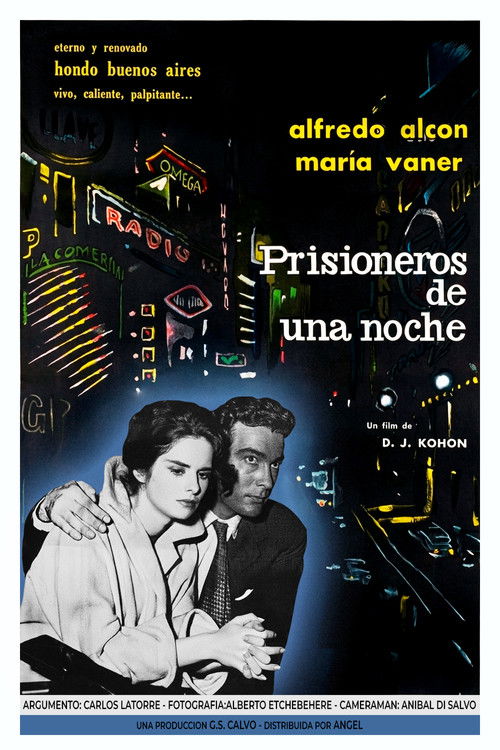
David José Kohon’s work explores the tension between individual desire and urban alienation. Utilizing the nocturnal landscape of Buenos Aires, the film examines human connection outside of rigid institutional structures. The film avoids overt multi-layered activism, focusing instead on the suspension of daytime moralities. This allows for a nuanced look at how characters navigate social constraints within a metropolitan environment. While the film lacks explicit representation of certain identities, its stylistic lean toward social realism provides a more authentic urban tapestry than typical studio-driven productions of the era.
Category Breakdown
The film focuses on a romantic relationship between a man and a woman. Although there is no explicit queer subtext, the nighttime setting in Buenos Aires often serves as a space for identities that exist outside of societal norms during the day.
The film explores a shared romantic experience in an urban setting. The focus on women in public, nocturnal spaces suggests a departure from traditional domestic hierarchies and submissive archetypes.
The film reflects the regional Argentine demographic through a street-level realism. This approach avoids sanitized, homogeneous portrayals in favor of a more grounded, urban social tapestry.
The story prioritizes subjective experience and emotional truth over traditional moralizing. By centering on a metropolitan nocturnal encounter, the film adopts a secular, urbanist perspective on individual liberation.
There is no documented evidence of characters with visible or invisible disabilities within the film's narrative or historical records.
Present on Screen
Limited or Absent
Official Synopsis
A man and a woman fall in love in the streets of a nocturnal Buenos Aires.
1969
1992

1969

1961
1942

2010
1963
2012
No reviews yet. Be the first to share your thoughts on this movie!
Use the rating form above to leave a star rating and optional review.