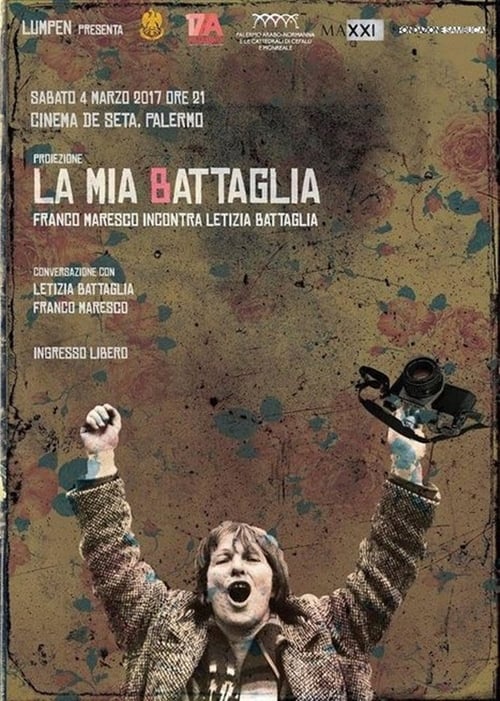
La mia Battaglia - Franco Maresco incontra Letizia Battaglia
2016
No user ratings available yet
Representation score: 6.1 out of 10
Representation Score
Limited
2019
Director
Franco Maresco
Runtime
111 minutes
Average Rating
No ratings yetNew Showbiz Analysis
The film operates as a sociopolitical critique rather than a study in demographic variety. Its primary impact comes from centering a female intellectual to dismantle romanticized Sicilian histories. While the documentary lacks explicit markers for LGBTQ+ or disability representation, it challenges established power structures by focusing on the systemic corruption found in the commodification of tragedy. Ultimately, the work succeeds in its skepticism of civic morality, forcing viewers to look past commemorative veneers to see underlying social dysfunction.
Category Breakdown
The documentary focuses on political corruption and organized crime. There are no visible LGBTQ+ character arcs or narratives within this historical context.
Letizia Battaglia serves as a central figure who play a significant role in driving the story, disrupting traditional gender hierarchies within a male-dominated landscape.
The film centers on a specific Mediterranean regional identity in Palermo. It engages deeply with local social structures rather than presenting a multi-ethnic cast.
The narrative critiques the opportunism of characters who exploit national tragedies. It offers a nuanced view of social institutions and the corruption of public memory.
There is no evidence regarding the depiction of physical or neurodivergent identities in this work.
Present on Screen
Limited or Absent
Official Synopsis
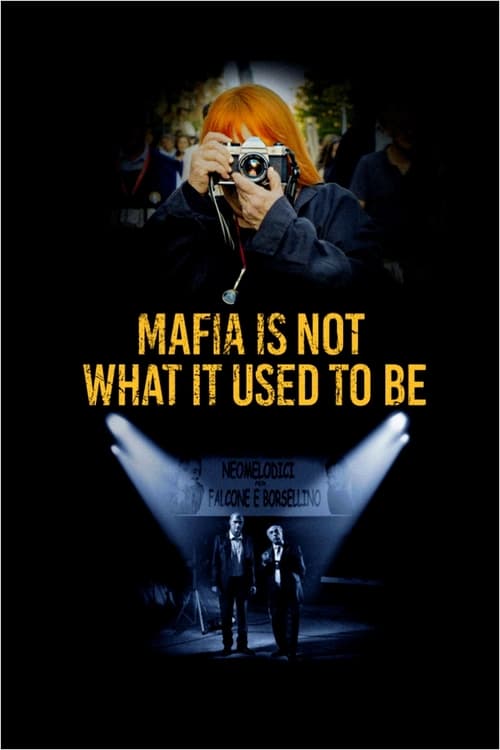
Palermo, Sicily, Italy, 2017. Twenty-five years after the murders of anti-mafia judges Giovanni Falcone, on May 23, 1992, and Paolo Borsellino, on July 19, 1992; and on the occasion of the tributes held in memory of both heroes, skeptical photographer Letizia Battaglia, chronicler of their titanic combat, criticizes the opportunism of shady characters who, like businessman Ciccio Mira, profit from the commemoration of both tragedies.
2016

2013

2019

2015
1999
2014
2019
2022
No reviews yet. Be the first to share your thoughts on this movie!
Use the rating form above to leave a star rating and optional review.