
La Orca
1976
No user ratings available yet
Representation score: 2.0 out of 10
Representation Score
Fair
1973
RDirector
Sergio Sollima
Runtime
110 minutes
Average Rating
No ratings yetNew Showbiz Analysis
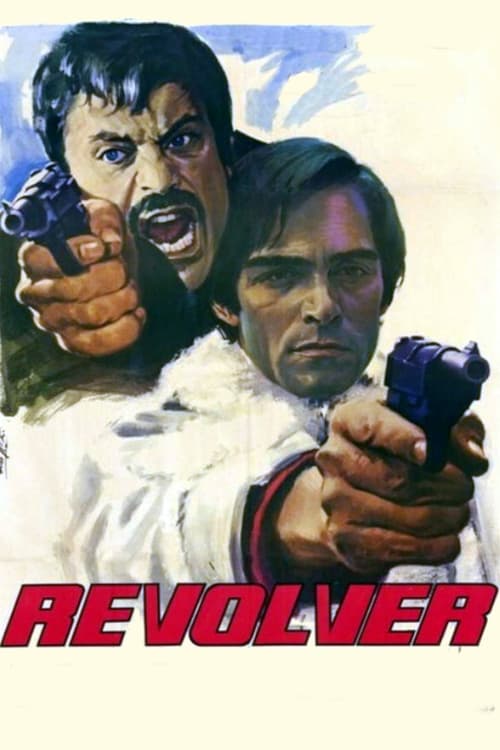
Revolver is a sophisticated deconstruction of the Western genre that prioritizes systemic critique over individual identity politics. It challenges traditional power structures by portraying law and order as corrupt tools of a criminal monopoly. However, the film remains traditional in its social representation. It relies on masculine archetypes and uses female characters as mere plot devices, lacking a significant role in driving the story for women or underrepresented groups. While the anti-capitalist subtext provides intellectual depth, the absence of LGBTQ+, racial, and disability representation keeps the overall diversity profile low.
Category Breakdown
The film does not include any LGBTQ+ characters or narratives. It presents a traditional social landscape without challenging gender norms.
Female characters mainly serve as plot catalysts for the male protagonist. The narrative emphasizes masculine archetypes of violence, reinforcing traditional gender roles.
The cast includes diverse racial backgrounds typical of the era. However, the story does not center on the intersection of race and ethnicity.
The film offers a critical view of capitalism and institutional corruption. It portrays the legal system as a tool for monopolies and systemic oppression.
There is no meaningful depiction of physical or neurodivergent disabilities. Characters are defined almost exclusively by their physical strength and violent tendencies.
Present on Screen
Limited or Absent
Official Synopsis
An Italian prison official's wife is kidnapped, and the kidnappers demand that a notorious prisoner be released in order for the man to get his wife back. He gets the man released - but then kidnaps him himself, in order to ensure that the man's colleagues don't kill his wife. Enraged, the gang sets out to free their compatriot and kill the man who took him.
1976

1995

1975

1974
1977
1972

1973

1974
No reviews yet. Be the first to share your thoughts on this movie!
Use the rating form above to leave a star rating and optional review.