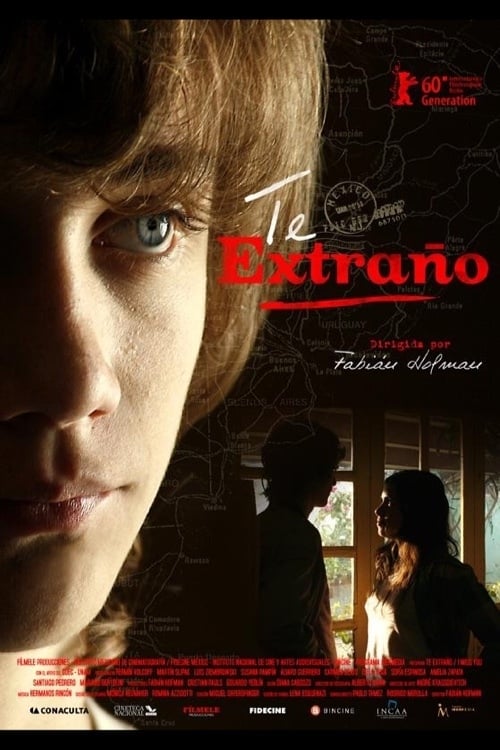
I Miss You
2010
No user ratings available yet
Representation score: 7.9 out of 10

Representation Score
Good
1991
Director
Teresa Villaverde
Runtime
125 minutes
Average Rating
No ratings yetNew Showbiz Analysis
The film effectively uses absence to explore complex social themes. By focusing on parents missing in Africa, it implicitly addresses the lingering psychological effects of colonial history and the fractured connections of the diaspora. However, the film lacks representation of specific identity groups. There is no visible focus on LGBTQ+ identities or characters with disabilities, leaving these dimensions of diversity largely unaddressed. Ultimately, the work functions as a sophisticated study of urban malaise and the deconstruction of the traditional family unit, prioritizing psychological realism over overt identity politics.
Category Breakdown
The film does not include explicit representations of LGBTQ+ identities or queer narratives. Instead, it focuses on the dissolution of family dynamics and the void left by absent parents.
The director shifts the focus of creative control within the 1990s Portuguese context. By emphasizing the absence of authority figures, the film deconstructs traditional patriarchal roles.
The movie includes a significant post-colonial subtext through the disappearance of parents in Africa. This highlights the complexities of Portugal's colonial past and its impact on family life.
The film critiques the stability of Western institutions by depicting the family as a source of psychological struggle. It explores urban alienation and the breakdown of traditional social structures.
The narrative focuses on existential and socioeconomic struggles without representing specific disabilities. Characters with neurodivergence or physical disabilities are not given significant roles.
Present on Screen
Limited or Absent
Official Synopsis
The story of a child who faces the emptiness that surrounds the figure of his parents, disappeared in Africa.
2010

1976

2007
1983

2019
2007

2022
2015
No reviews yet. Be the first to share your thoughts on this movie!
Use the rating form above to leave a star rating and optional review.