
New Blood
1999
No user ratings available yet
Representation score: 4.2 out of 10
Representation Score
Fair
1997
NRDirector
Alan Smithee, Eric Louzil
Runtime
83 minutes
Average Rating
No ratings yetNew Showbiz Analysis
Dilemma follows a typical 1990s action-thriller trajectory, emphasizing high-stakes pursuit and medical drama over social critique. The narrative relies heavily on established genre formulas, such as the heroic detective and the criminal redemption arc. The film's approach to diversity is mostly superficial. While it introduces racial tension through its central conflict, it lacks depth in its portrayal of gender and disability, often using these elements as mere plot devices or decorative accessories. Additionally, the use of the 'Alan Smithee' pseudonym suggests a lack of cohesive creative vision, which may explain the film's adherence to safe, conventional storytelling patterns rather than any intentional progressive themes.
Category Breakdown
The film does not include any visible engagement with LGBTQ themes or non-straight identities. The main conflict revolves around law enforcement and medical issues.
Female characters seem to be portrayed through the male perspective, particularly Lydia, who is described as a 'sexy partner.' This indicates a reliance on conventional stereotypes rather than intellectual empowerment.
Racial diversity is introduced through Rudy Salazar, a character of color. The storyline explores tensions between a criminal and law enforcement, though it leans towards familiar clichés.
The narrative follows a traditional Western framework of justice, reinforcing state authority and a standard good-versus-evil dichotomy without delving into alternative cultural viewpoints.
Leukemia serves as a primary plot device to heighten the narrative stakes. The illness functions more as a catalyst for tension than a detailed exploration of physical disability.
Present on Screen
Limited or Absent
Official Synopsis
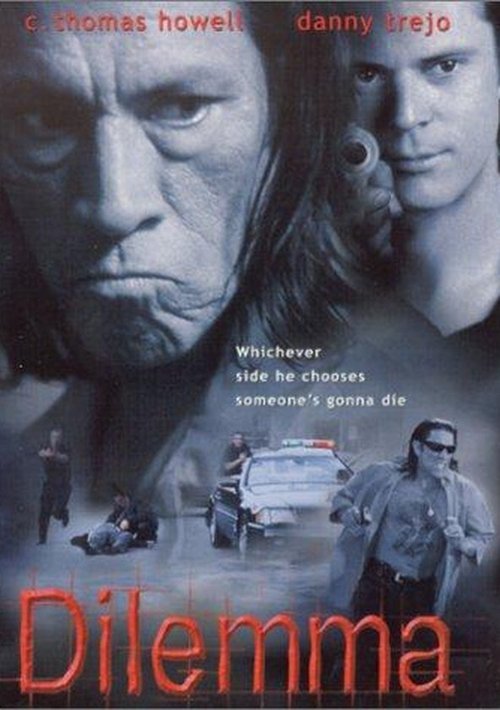
Whichever side he chooses, someone's gonna die. Death row inmate Rudy Salazar cuts a deal he can't refuse: he'll donate his rare bone marrow to a young girl dying of leukemia. In return, his death sentence is commuted to life without parole. L.A. Detective Quin (C. Thomas Howell), the cop who brought Salazar's murderous rampage to an end, sees through Salazar's selfless facade. En route to the hospital, Salazar makes a daring escape. Now it's up to Quin and his sexy partner, Lydia, to bring Salazar to justice one more time and save the life of an innocent little girl before it's too late.
1999
1999

2007

1992
1998

2015

2020

2002
No reviews yet. Be the first to share your thoughts on this movie!
Use the rating form above to leave a star rating and optional review.