Inhale
2010
No user ratings available yet
Representation score: 3.3 out of 10
Representation Score
Fair
1998
RDirector
Barbet Schroeder
Runtime
100 minutes
Average Rating
No ratings yetNew Showbiz Analysis
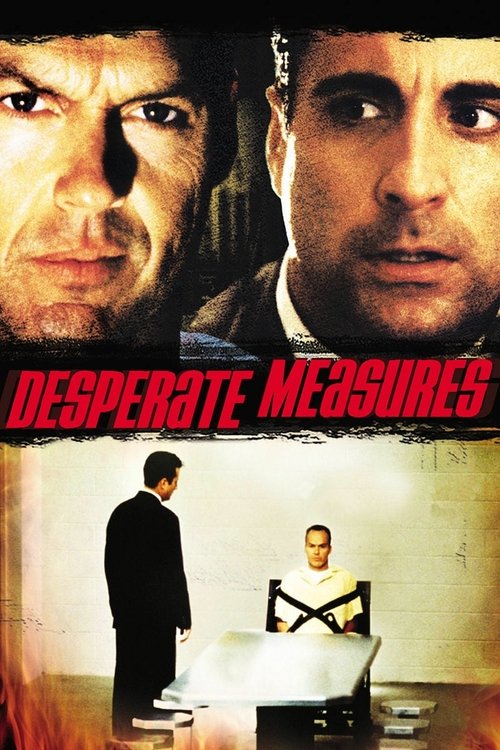
Desperate Measures is a genre-driven thriller that emphasizes high-stakes tension over broad demographic representation. The film relies on traditional masculine archetypes and a predominantly white cast, limiting its portrayal of gender and race. Despite the lack of diverse representation, the film delves into the critique of institutional authority. By depicting systemic structures as corrupt, the narrative explores situational ethics and moral relativism. Ultimately, the film serves as a character study of survival within a flawed system, though it remains narrow in its depiction of human identity.
Category Breakdown
The film does not include any visible LGBTQ+ characters or narratives. The social environment is dominated by traditional masculine roles, offering no representation for queer identities.
The story focuses almost entirely on male-dominated power dynamics. High-pressure situations are centered around male interactions, leaving little room for female involvement or ability to act.
The cast is predominantly white males. Although the setting allows for diversity, the main plot drivers adhere to traditional Anglo-centric casting norms.
The film examines institutional stability by showing administration as a corrupt, dehumanizing force. It explores themes of moral relativism and the struggle against bureaucratic systems.
Disability is used mainly as a plot device rather than a means to develop character depth. A child's medical condition drives the conflict but receives limited nuanced exploration.
Present on Screen
Limited or Absent
Official Synopsis
San Francisco police officer Frank Connor is in a frantic search for a compatible bone marrow donor for his gravely ill son. There's only one catch the potential donor is convicted multiple murderer Peter McCabe who sees a trip to the hospital as the perfect opportunity to get what he wants most: freedom. With McCabe's escape, the entire hospital becomes a battleground and Connor must pursue and, ironically, protect the deadly fugitive who is his son's only hope for survival.
2010

1990

2009
2008

2013

1994

2004

1985
No reviews yet. Be the first to share your thoughts on this movie!
Use the rating form above to leave a star rating and optional review.