
Hostile Border
2015
No user ratings available yet
Representation score: 3.8 out of 10
Representation Score
Fair
2016
Director
Rafi Girgis
Runtime
94 minutes
Average Rating
No ratings yetNew Showbiz Analysis
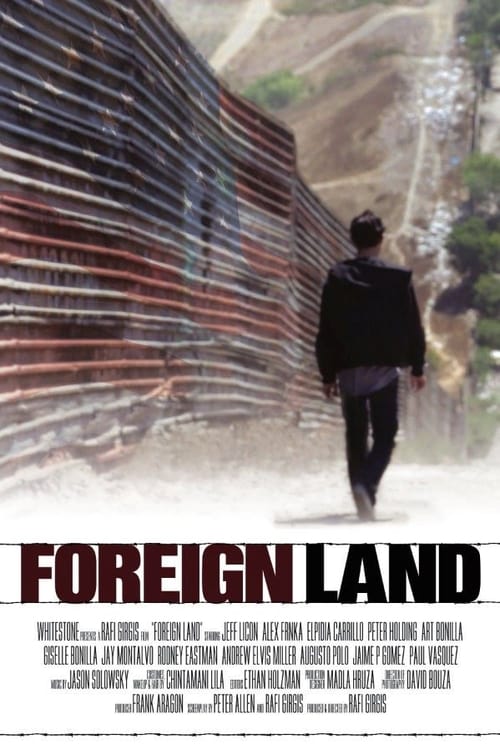
Foreign Land is a character-driven study that dismantles the perceived security of Western institutions. By juxtaposing the experiences of an undocumented individual and a domestic runaway, the film critiques the fragility of citizenship and the instability of the American Dream. The narrative's strength lies in its sophisticated handling of post-colonial themes and the movement of people. It presents state-sanctioned systems as engines of displacement rather than protectors of order. While the film lacks depth regarding sexuality or gender hierarchies, its focus on the violence of borders and the outsider's perspective creates a complex, compelling critique of modern systemic structures.
Category Breakdown
The film does not include any LGBTQ+ characters or themes. The story focuses solely on the intersection of legal status and physical displacement.
Flora offers meaningful representation as a female protagonist navigating legal consequences. Her journey explores autonomy and a departure from traditional domestic roles.
The story centers on a person of Mexican descent navigating American institutions. It highlights the systemic vulnerabilities faced by those categorized as foreign.
The film critiques Western institutional power by portraying the deportation process and border violence. It destabilizes the concept of home and nationalistic ideals.
There is no evidence of disability, neurodivergence, or chronic illness being central to the character arcs or plot progression.
Present on Screen
Limited or Absent
Official Synopsis
Life changed for Alejandro Reis - Alex - in just a few brief moments when he discovers that he is not an American citizen. His parents brought him across the Mexican border when he was just months old. Flora Hendricks, on the other hand is born in Missouri. She decides to run away from home. Alex finds himself deported to Mexico On a seeming parallel track, Flora is arrested for shoplifting. And put in the same deportation bus with Alex. Once on Mexican soil Alex and Flora find out quickly that they are way out of their depth. They learn quickly that Tijuana and most of the other border towns are ultra violent places that are overrun by dangerous, warring criminal factions.
2015

2013

2017

2019

2012

2013
2017
2009
No reviews yet. Be the first to share your thoughts on this movie!
Use the rating form above to leave a star rating and optional review.