Girl at the Window
2022
No user ratings available yet
Diversity score: 3.5 out of 10
2011
Director
Tim T. Cunningham
Runtime
90 minutes
Average Rating
No ratings yetSynopsis
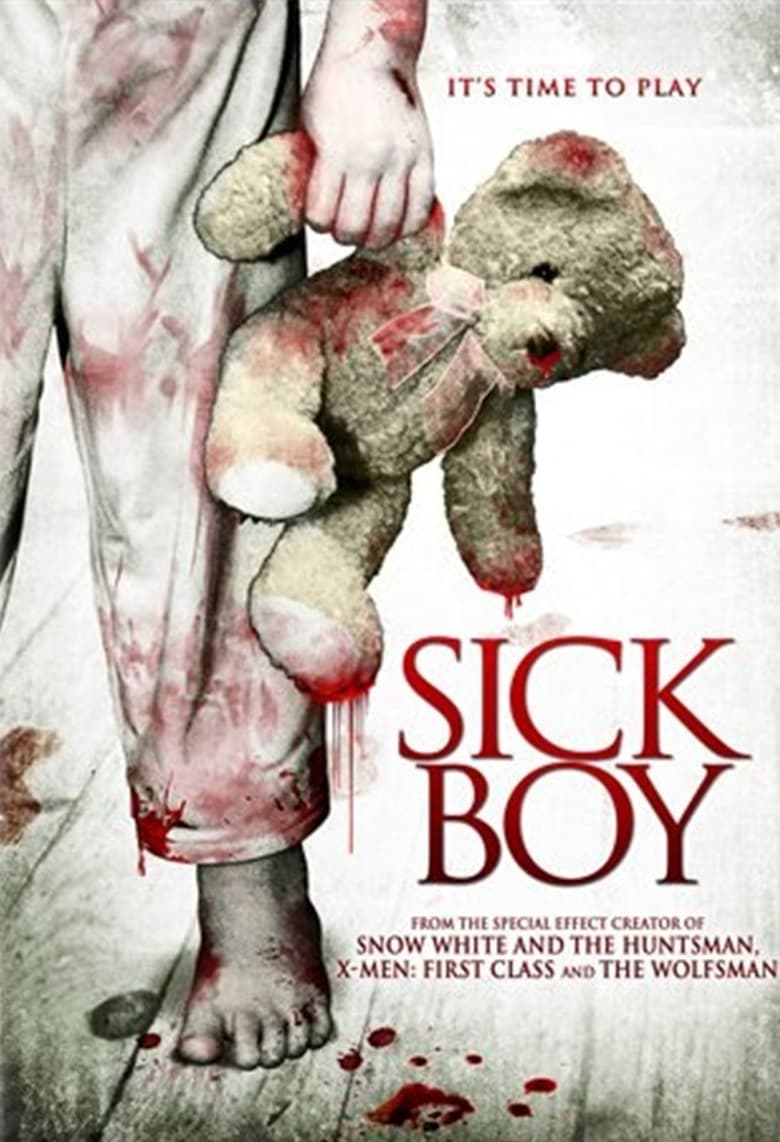
Sick Boy stars Skye McCole Bartusiak as Lucy, a young woman who steps in for a friend to take a job babysitting a young boy confined to his room due to a mysterious illness. Lucy begins to suspect the child’s mother, played by horror legend Debbie Rochon, is hiding something—the truth turns out to be far worse than she could imagine.
Overall Score
Limited
Category Breakdown
LGBTQ+ Representation
The film focuses on a domestic thriller dynamic between a caregiver and a parent. There is no evidence of LGBTQ+ characters or non-cisnormative identities within the narrative.
Gender Representation
Lucy provides investigative agency as the primary driver of tension. However, the film relies on traditional gendered tropes centered on domesticity and maternal suspicion.
Racial & Ethnic Diversity
The film appears to align with homogeneous casting patterns typical of independent horror. There is no indication of a multicultural ensemble or diverse casting.
Religious & Cultural Diversity
The story explores domestic secrecy and the breakdown of trust. It does not explicitly engage with systemic critiques or deconstruct institutional oppression.
Disability Representation
A child's mysterious illness serves as a central narrative engine. The condition appears to function primarily as a plot device to create suspense and isolation.
Strengths
Areas for Improvement
AI Analysis
Sick Boy follows a conventional horror structure that prioritizes genre-standard suspense over intersectional representation. The narrative centers on a domestic thriller dynamic, utilizing a mysterious illness to drive tension rather than exploring complex social identities. The film lacks visible evidence of diverse casting or the subversion of traditional social norms. It adheres to established tropes of the psychological thriller, focusing on personal and maternal suspicion within a seemingly homogeneous setting. Ultimately, the work functions as a standard independent horror piece. It does not attempt to disrupt social hierarchies or provide meaningful representation for marginalized groups.
2022
2007
2014
2004
2008
2022
2011
2015
2007
2021
2021
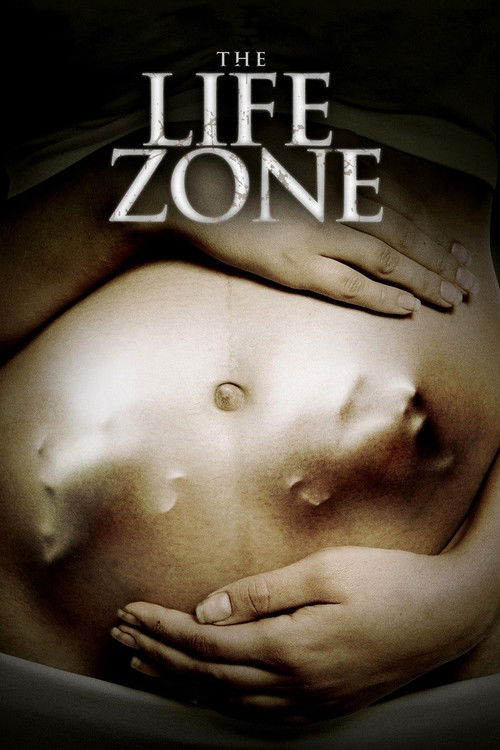
2011
No reviews yet. Be the first to share your thoughts on this movie!
Use the rating form above to leave a star rating and optional review.