Dead Enders
2010
No user ratings available yet
Representation score: 3.3 out of 10
Representation Score
Limited
2007
RDirector
Matt Zettell
Runtime
85 minutes
Average Rating
No ratings yetNew Showbiz Analysis
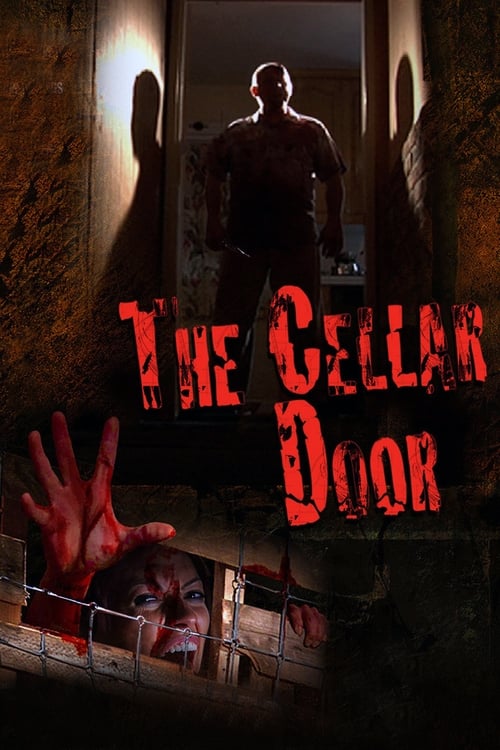
The Cellar Door functions as a typical mid-2000s psychological thriller, closely following established genre conventions. Its narrative structure prioritizes a high-tension survival conflict over any attempt at complex social commentary or subversion. The film relies on traditional power dynamics, particularly a male antagonist exerting dominance over a female character. While the protagonist tries to reclaim control through intelligence, the framework remains entrenched in well-worn gender clichés. Overall, the production lacks demographic breadth. The casting and thematic focus suggest a homogeneous approach, avoiding exploration of diverse racial, cultural, or LGBTQ+ identities, resulting in a narrow, conventional viewing experience.
Category Breakdown
The film does not include any explicit LGBTQ+ characters or non-straight relationships. The story revolves around a predatory, heterosexual dynamic between the main characters.
The female lead plays a significant role in outsmarting her captor, but the plot relies on the cliché of female victimization. The conflict centers on traditional gender roles.
The cast appears to be predominantly from a single demographic group, with no indication of a multicultural ensemble or diverse casting.
The story focuses on individual survival and interpersonal morality, avoiding broader cultural or systemic themes. It follows standard psychological thriller clichés.
There is no mention of characters dealing with physical, sensory, or neurodivergent conditions. The film does not address disability representation.
Present on Screen
Limited or Absent
Official Synopsis
Having developed an uncontrollable obsession with the beautiful young Rudy, crazed serial killer Herman kidnaps her and locks her in a cage in his basement. The only way for Rudy to survive this nightmare is to outsmart her psychopathic tormentor. But Herman has experience on his side: He's entrapped and tortured other women before, playing sick and twisted mind games with his frightened victims.
2010

1997
2009

2007

2017

2006

2009

2016
No reviews yet. Be the first to share your thoughts on this movie!
Use the rating form above to leave a star rating and optional review.