The White Sister
1933
No user ratings available yet
Representation score: 0.8 out of 10
Representation Score
Limited
1927
Director
René Clair
Runtime
90 minutes
Average Rating
No ratings yetNew Showbiz Analysis
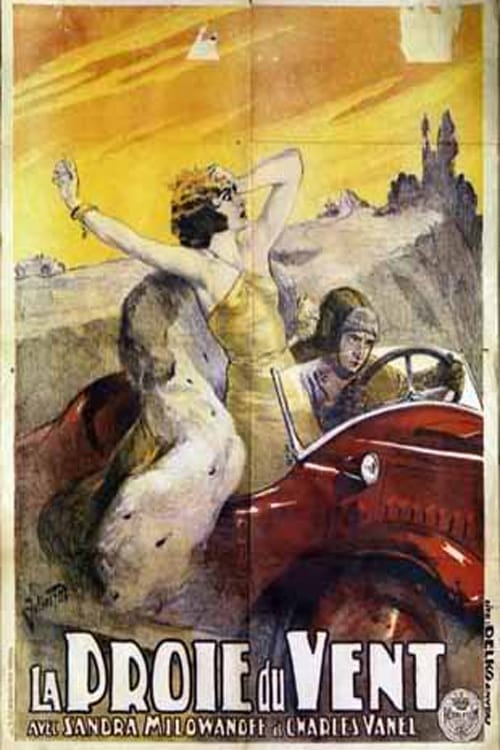
René Clair's 1927 drama follows a pilot and a countess, adhering closely to the romantic and social conventions of the silent era. The film utilizes established archetypes, such as the male adventurer and the female caretaker, which limits its complexity. The narrative is deeply embedded in Western aristocratic traditions, focusing on class structures and European romanticism. This creates a homogeneous social environment that lacks multi-layered depth or systemic disruption. While the plot uses a physical injury to drive the romance, it functions as a narrative catalyst rather than a meaningful study of disability. The film remains a product of its historical period's traditional dramatic structures.
Category Breakdown
The film centers on a traditional romance between a pilot and a countess. It does not include any non-straight or non-cisgender identities or critiques of the assumption that everyone is straight or cisgender.
The story relies on the classic nurturing role, where the countess cares for the male protagonist. Despite owning a castle, her role fits within traditional gender hierarchies.
The setting implies a narrative rooted in Western aristocratic traditions. The work aligns with the homogeneous social structures typical of early 20th-century European period dramas.
The film operates within the framework of traditional Western romanticism and class structures. It engages with the romanticized aesthetics of the European upper class.
A pilot's crash serves as a standard plot device to bring the couple closer together. The film does not explore physical disability or neurodivergence in depth.
Present on Screen
Limited or Absent
Official Synopsis
A pilot crashes and a beautiful countess of a castle nearby nurses him to health.
1933
1927
1932
1928

1928
1932
1929
1939
No reviews yet. Be the first to share your thoughts on this movie!
Use the rating form above to leave a star rating and optional review.