
The Eyes of Others
2026
No user ratings available yet
Diversity score: 5.4 out of 10

2004
Director
Mario Martone
Runtime
100 minutes
Average Rating
No ratings yetSynopsis
A couple of bourgeois intellectuals, Carlo and Silvia, have been married for twenty years. While she lives in their flat in Rome, he spends most of his time in the country house where he writes his books, openly living with his younger lover, Lù. In return, Carlo has long accepted that her wife may have lovers, but her volatile relationship with a young neo-fascist suddenly rekindles his jealousy.
Overall Score
Fair
Category Breakdown
LGBTQ+ Representation
The film explores non-traditional relationship structures through the protagonist's open living arrangement with a younger lover. While queer identities are not explicitly defined, the narrative critiques the standard nuclear family model.
Gender Representation
Silvia demonstrates significant agency by maintaining an independent romantic life, subverting the role of a submissive wife. The film challenges traditional hierarchies by neutralizing the male protagonist's authority through mutual acceptance of infidelity.
Racial & Ethnic Diversity
The story focuses on a bourgeois intellectual circle in Rome. There is no evidence of diverse casting or the subversion of racial tropes within the narrative.
Religious & Cultural Diversity
The film deconstructs Western bourgeois values by prioritizing subjective morality over religious standards. The inclusion of a neo-fascist character suggests a critique of rigid, traditionalist political ideologies.
Disability Representation
There is no evidence suggesting that disability, neurodivergence, or chronic illness are central to the character arcs or the narrative.
Strengths
Areas for Improvement
AI Analysis
The film serves as a psychological study of domestic fragmentation, focusing on the instability of long-term marriage. It succeeds in dismantling traditional Western institutions by replacing stable unions with complex, interpersonal negotiations. While the narrative offers a sophisticated critique of patriarchal stability and bourgeois morality, it lacks intersectional depth. The focus remains narrow, centered on class and interpersonal psychology within a specific Roman intellectual setting. Ultimately, the work achieves a moderate score by prioritizing moral relativism and the deconstruction of the nuclear family, even as it lacks significant racial or disability-based representation.
2026

2012

2007

2003

2005

2013

1976

1998

1975

1969

1989
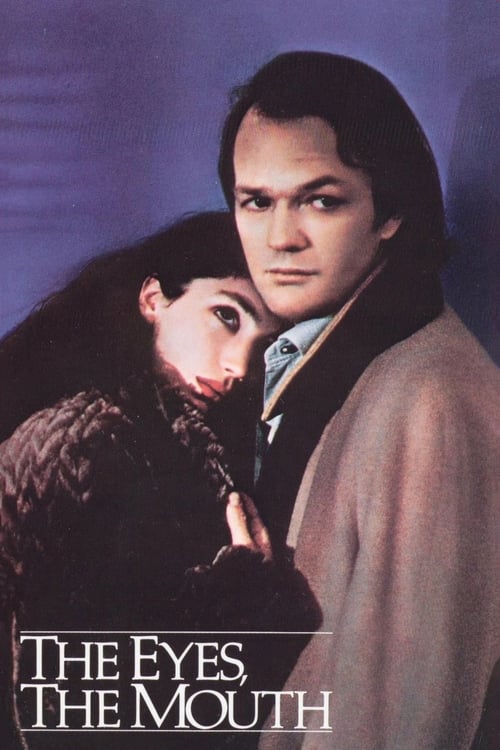
1982
No reviews yet. Be the first to share your thoughts on this movie!
Use the rating form above to leave a star rating and optional review.