Lucky Losers
1950
No user ratings available yet
Representation score: 2.3 out of 10
Representation Score
Limited
1961
NRDirector
Jerry Lewis
Runtime
92 minutes
Average Rating
No ratings yetNew Showbiz Analysis
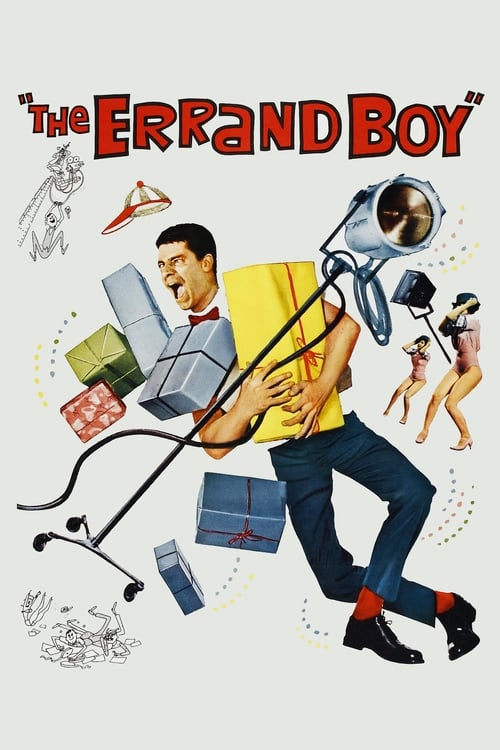
The Errand Boy is a traditional mid-century comedy that relies on individualistic slapstick and the 'little man' archetype. It does not deconstruct social hierarchies or promote multi-layered identities. Instead, it functions within the standard demographic and social norms of 1961 Hollywood, focusing on corporate espionage and individual chaos within a studio setting.
Category Breakdown
The film does not include any LGBTQ+ characters or narratives that question the assumption that everyone is straight or cisgender. It adheres to the social norms of 1961 without critiquing the assumption that everyone is straight or cisgender.
The story revolves around Morty, a male character working in a corporate environment. Humor arises from his personal failures within traditional hierarchies rather than challenging systemic gender roles.
The plot centers on a studio environment that mirrors the predominantly white demographics of early 1960s Hollywood. There is no indication of a diverse cast reflecting non-white backgrounds.
The film operates within a traditional capitalist system and does not critique Western institutions or religion. It uses the errand boy cliché to explore mischief within established systems.
The slapstick style includes physical comedy but does not intentionally represent neurodivergence or physical disabilities who play a significant role in driving the story.
Present on Screen
Limited or Absent
Official Synopsis
Paramutual Pictures wants to know where all the money is going so they hire Morty to be their spy. Morty works for Mr. Sneak and gets a job in the mail room so that he can have access to the lot. But all that Morty ever finds is that he can cause havoc no matter what he does.
1950

1960
1964
1940

1980
1958
1946
1953
No reviews yet. Be the first to share your thoughts on this movie!
Use the rating form above to leave a star rating and optional review.