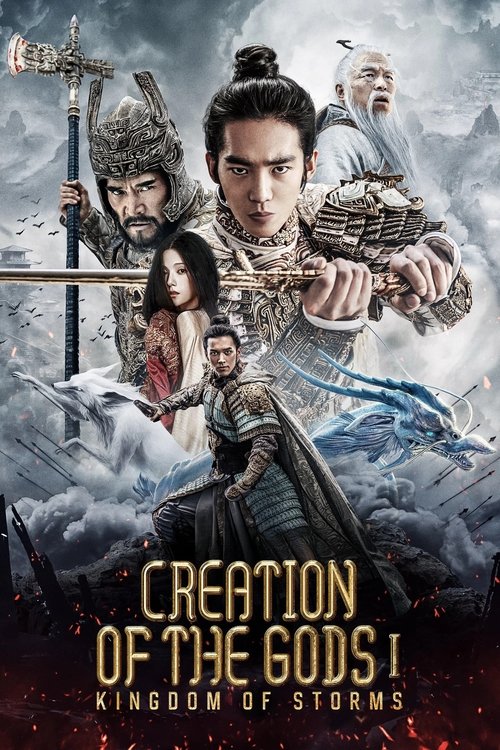
Creation of the Gods I: Kingdom of Storms
2023
No user ratings available yet
Representation score: 4.9 out of 10
Representation Score
Fair
2021
Director
Li Boxun
Runtime
92 minutes
Average Rating
No ratings yetNew Showbiz Analysis
The film stands out by focusing on an East Asian mythological epic instead of Western fantasy clichés. It uses a diverse pantheon of gods to create a complex social hierarchy, providing a strong cultural foundation. However, the narrative remains limited in exploring specific identity-based representation. While it challenges oppressive political structures, it does not explicitly address LGBTQ+ identities or disability. Ultimately, the film's strength lies in its cultural framework and its depiction of a collective uprising against tyranny, offering a meaningful departure from standard Hollywood fantasy structures.
Category Breakdown
The film doesn't show any non-straight relationships or same-sex intimacy. The story focuses on a battle between divine and mortal forces, using typical romantic themes common in this genre.
The story positions the main characters as leaders in a fight against a tyrannical ruler. While male figures like Nezha are highlighted, the overall struggle hints at a challenge to autocratic rule.
By using an East Asian mythological framework, the film centers a non-Western cultural worldview. The diverse group of gods adds significant cultural diversity to global cinema.
The narrative criticizes centralized, oppressive authority through the portrayal of King Zhou. It goes beyond simple good versus evil by framing the conflict as a struggle against systemic corruption and absolute power.
There is no clear indication of the portrayal of physical or neurodivergent disabilities in the narrative.
Present on Screen
Limited or Absent
Official Synopsis
At the end of the Yin Shang Dynasty, King Zhou was tyrannical and the people were in desperate straits. The God of Heaven and Shen Gong Bao wanted to take advantage of the chaos to destroy the mortal world by using the Ten Thousand Immortals Formation. In order to fight against the evil forces, Jiang Ziya gathers Yang Jian, Nezha and other immortals to join forces to save the mortal world.
2023
2021

2025
2021
2016
2021
2021

1979
No reviews yet. Be the first to share your thoughts on this movie!
Use the rating form above to leave a star rating and optional review.