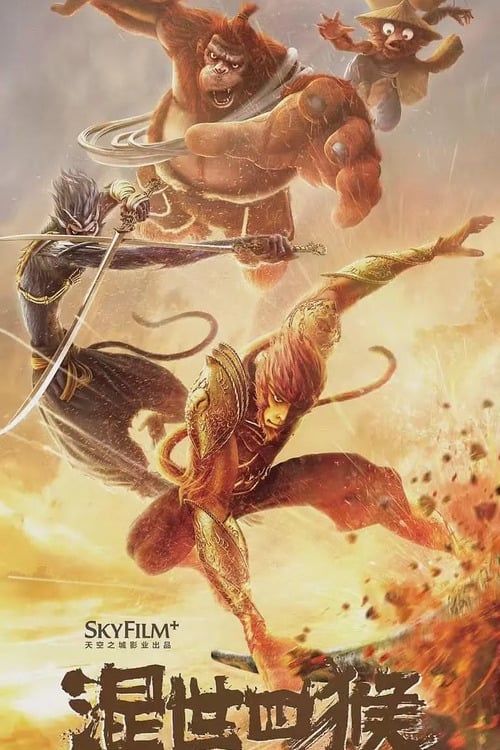
The Four Monkeys: The Return of Sun Wukong
2021
No user ratings available yet
Representation score: 2.4 out of 10
Representation Score
Limited
2016
PG-13Director
Koan Hui
Runtime
130 minutes
Average Rating
No ratings yetNew Showbiz Analysis
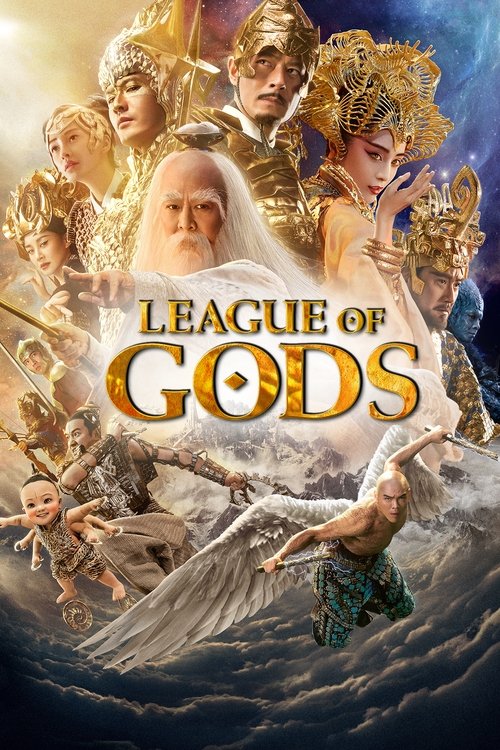
League of Gods operates primarily as a traditional fantasy epic. While it introduces a non-Western cultural perspective through Eastern folklore and Chinese mythology, it lacks the intention to challenge social structures. The film leans heavily on established mythological clichés. Characters such as Daji and King Zhou follow predictable archetypes that reinforce conventional power dynamics rather than subverting them. Ultimately, the narrative emphasizes grandiose spectacle over nuanced representation. It provides a culturally distinct setting but fails to offer deeper, characters who reflect more than one aspect of diversity for diverse identities.
Category Breakdown
The film does not include any non-cisgender identities or narratives that question the assumption that everyone is straight. It uses traditional mythological figures and conventional romantic power structures.
Daji is portrayed as a predatory figure who consumes officials, reinforcing historical fears about powerful women. This depiction aligns with the 'femme fatale' stereotype, limiting women's ability to drive the story.
Based on Chinese mythology, the film offers a non-Western perspective that challenges Western-centric fantasy traditions. However, it adheres to traditional archetypes without disrupting ethnic hierarchies.
The story explores themes of divine intervention and monarchical corruption, rooted in mythological morality rather than modern secular critiques.
The film does not portray characters with visible or invisible disabilities having real influence or central roles in the narrative.
Present on Screen
Limited or Absent
Official Synopsis
During the reign of King Zhou, an official enters his bedchamber, and is devoured by the monstrous tails of Daji, his concubine. Outside their city, several warriors within a metal wagon discuss their strategies to free the Invisible People and their Chief, when Jiang Ziya appears to them. He tells them that when King Zhou was younger, he let himself become possessed by the Black Dragon for his quest for power.
2021
2018
2021

1992

2015
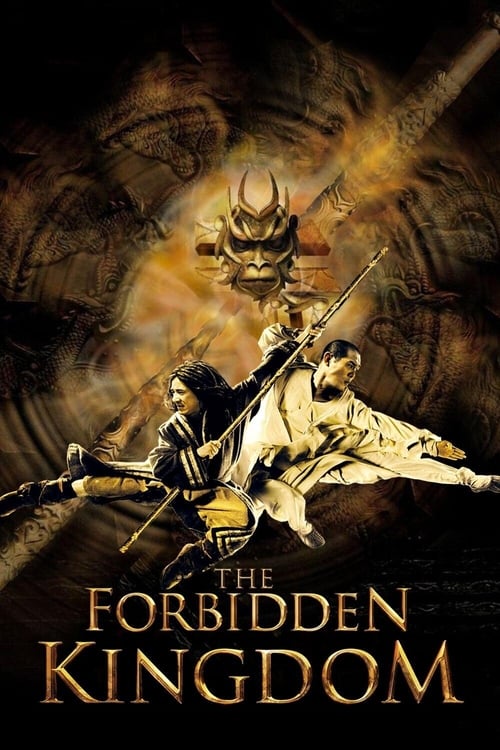
2008
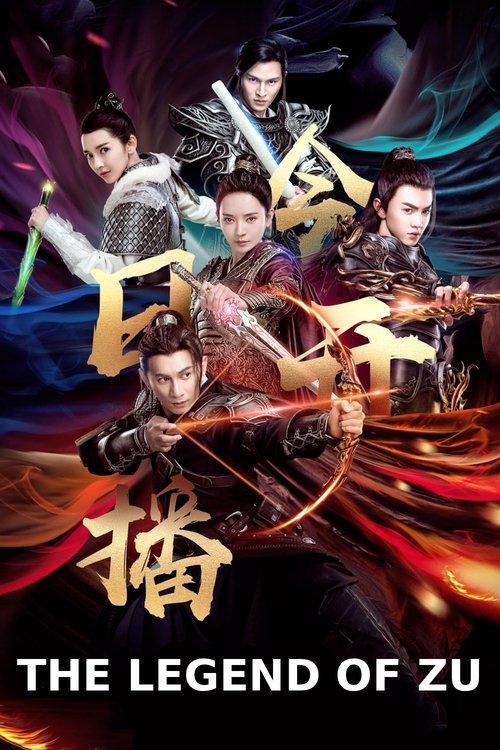
2018

2018
No reviews yet. Be the first to share your thoughts on this movie!
Use the rating form above to leave a star rating and optional review.