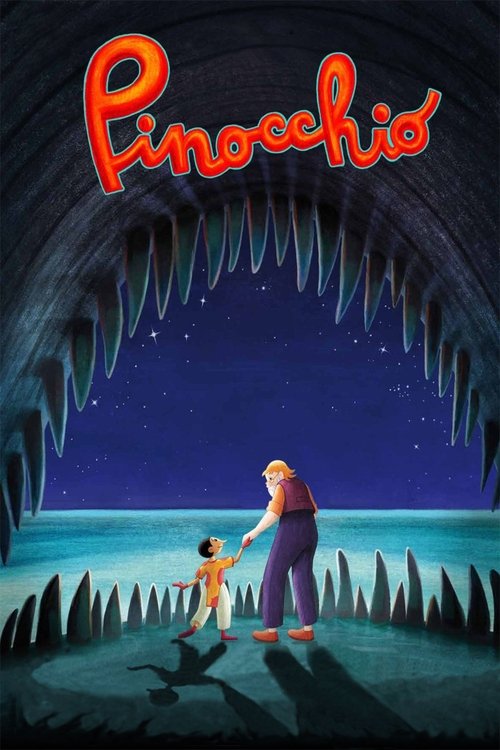
Pinocchio
2012
No user ratings available yet
Representation score: 0.5 out of 10
Representation Score
Minimal
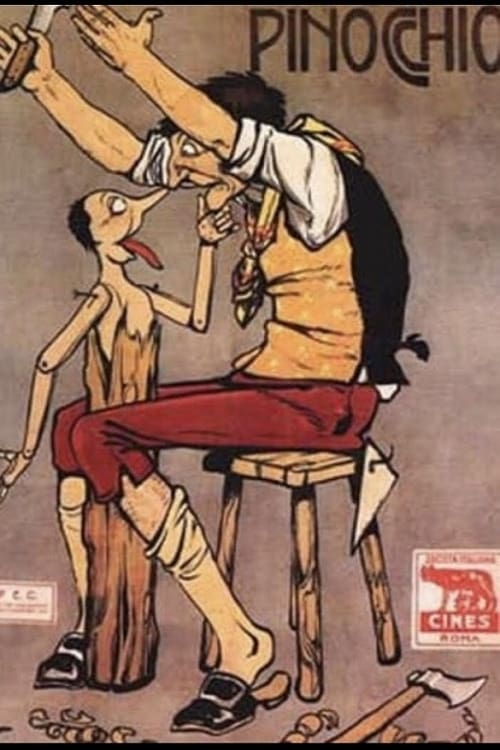
1911
Director
Giulio Antamoro
Runtime
50 minutes
Average Rating
No ratings yetNew Showbiz Analysis
This 1911 adaptation of Carlo Collodi's work functions as a period-specific artifact of early Italian silent cinema. The narrative follows a traditional moralistic trajectory rooted in early 20th-century folk-tale structures. The film reinforces existing social hierarchies rather than disrupting them. It lacks the intentionality found in modern media regarding the overlap of various identities and the subversion of conventional social norms. Ultimately, the production reflects the homogeneous cultural and gendered expectations of its era, focusing on a narrow, traditionalist worldview.
Category Breakdown
The story focuses on the relationship between Geppetto and Pinocchio, emphasizing a paternal bond. There are no LGBTQ+ narratives or non-cisgender identities represented in this silent era adaptation.
The film adheres to traditional early-century archetypes, centering on a male creator and a male protagonist. It lacks women's ability to drive the story and does not challenge patriarchal power dynamics.
Reflecting the cultural norms of 1911 Italy, the film lacks diverse ethnic perspectives. There is no evidence of race-bending or inclusive casting within this European fairy tale.
This morality play aligns with historical Western storytelling norms regarding obedience and family. It does not critique Western institutions or promote alternative social frameworks.
Pinocchio is a non-human puppet, serving as a fantasy cliché rather than a nuanced look at disability. No characters with disabilities are given complex roles.
Present on Screen
Limited or Absent
Official Synopsis
Carpenter Geppetto carves a block of wood into a puppet and names him Pinocchio. As soon as his feet have been made, Pinocchio runs out the door and a series of adventures begins.
2012
1920
1967
1926
2009
1940
2013
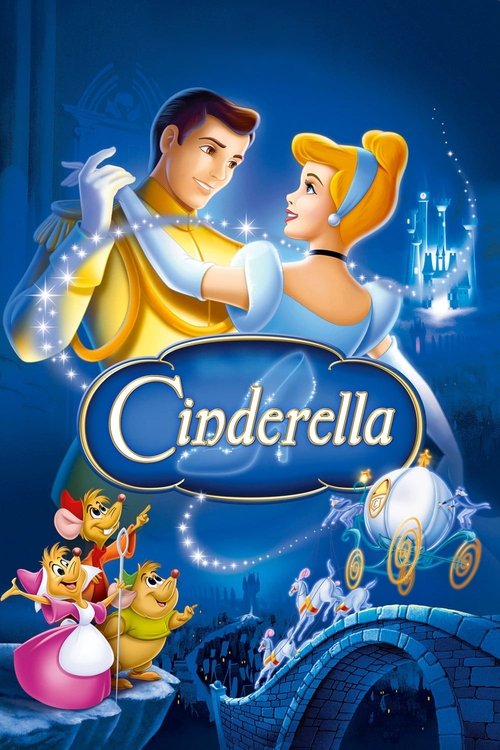
1950
No reviews yet. Be the first to share your thoughts on this movie!
Use the rating form above to leave a star rating and optional review.