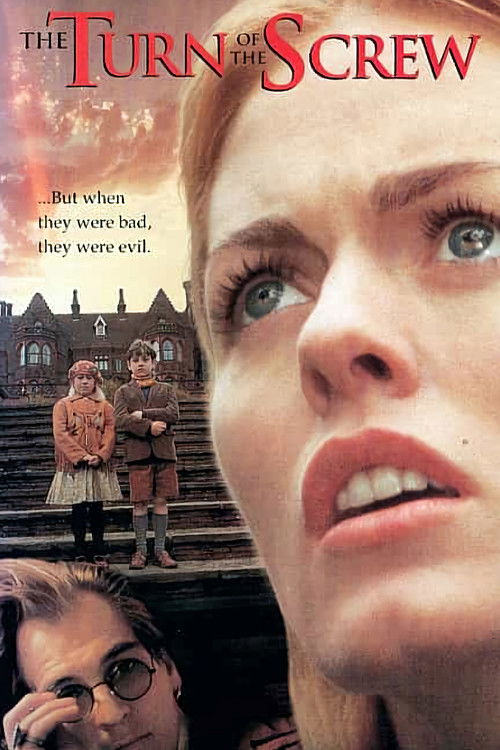
The Turn of the Screw
1992
No user ratings available yet
Representation score: 5.1 out of 10
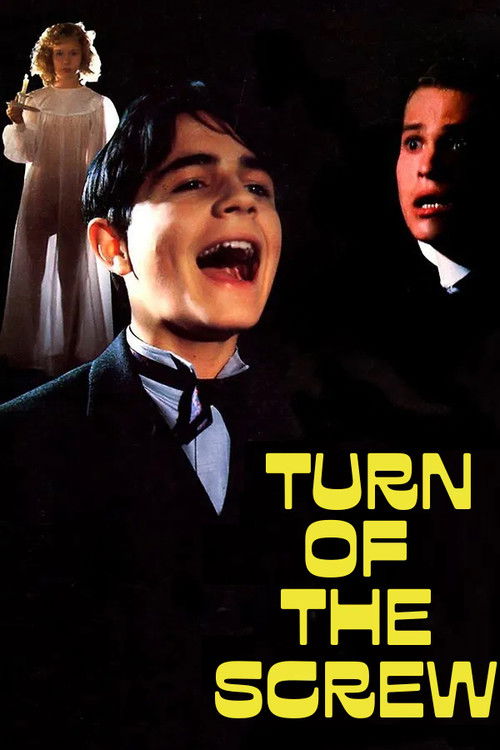
Representation Score
Excellent
1985
Director
Eloy de la Iglesia
Runtime
119 minutes
Average Rating
No ratings yetNew Showbiz Analysis
Eloy de la Iglesia’s adaptation transforms a classic gothic tale into a sophisticated deconstruction of social and sexual hierarchies. By centering non-conforming desires and psychological instability, the film moves away from traditional horror clichés toward a more complex, identity-driven narrative. The work excels in its challenge to Victorian moral certainties and gendered expectations. It replaces rigid authority with a fluid, subjective reality that questions the stability of the nuclear family. However, the film remains limited by its period setting, which maintains a homogeneous racial profile. While it pushes boundaries regarding sexuality and gender, it operates within a strictly Western, aristocratic framework.
Category Breakdown
The film emphasizes homoerotic tension and the intricacies of queer longing. It challenges traditional heterosexual norms by making non-conforming desires a central part of the character development.
The narrative overturns traditional hierarchies by highlighting the psychological complexity of the female protagonist. It avoids the typical nurturing caregiver stereotype, instead showing a character whose obsession challenges traditional feminine roles.
Set within an aristocratic, European-centric framework, the film adheres to the historical constraints of its source material. The casting remains uniform, focusing on a traditional Western aesthetic.
The film dismantles the sanctity of the nuclear family and Victorian moral codes. It prioritizes subjective psychological truth over rigid religious or social morality.
Mental health and neurodivergence are explored through the lens of psychological haunting. These elements help navigate the blurred lines between reality and delusion.
Present on Screen
Limited or Absent
Official Synopsis
A young man is hired to take care of two orphaned siblings in a remote seaside mansion and soon realizes that someone... or something from the past is out to get the children.
1992
1977

1974
1976
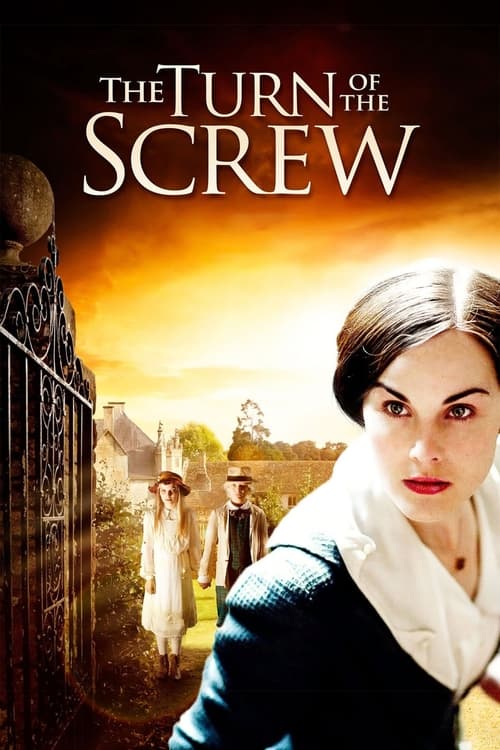
2009

1961

2017
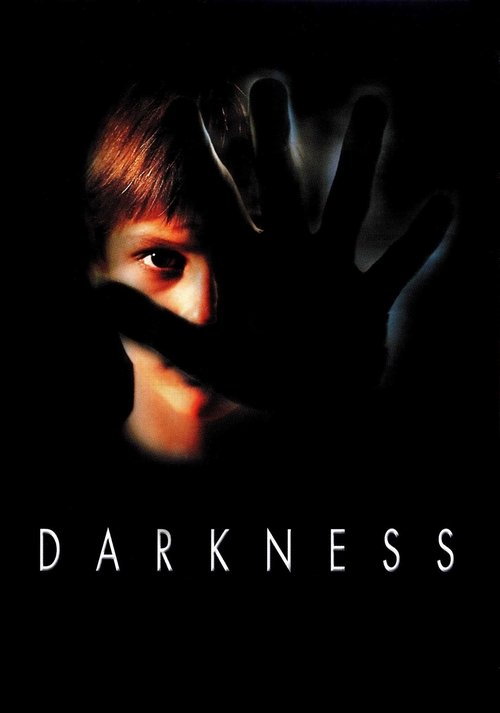
2002
No reviews yet. Be the first to share your thoughts on this movie!
Use the rating form above to leave a star rating and optional review.