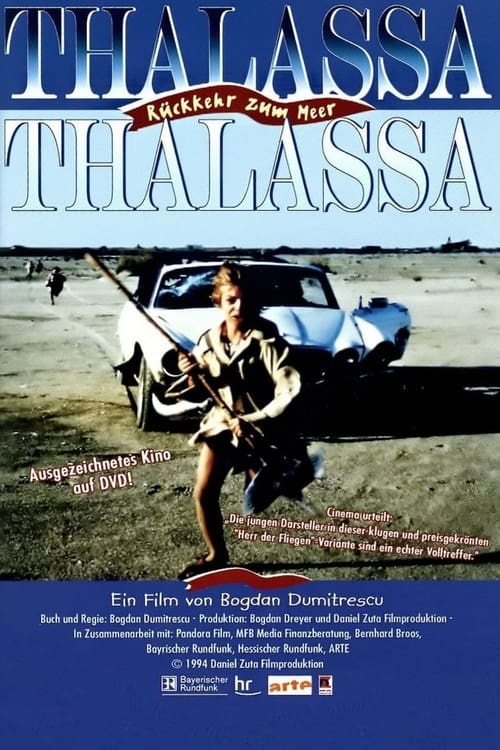
Thalassa, Thalassa
1994
No user ratings available yet
Representation score: 1.4 out of 10
Representation Score
Limited
1994
M/12Director
João Guerra
Runtime
90 minutes
Average Rating
No ratings yetNew Showbiz Analysis
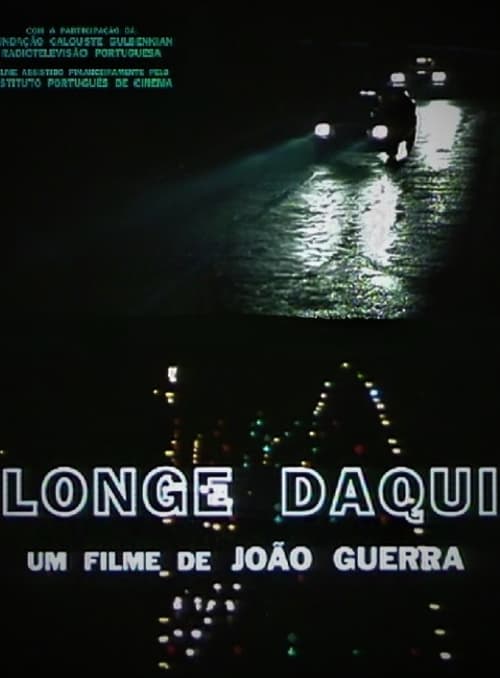
Far Away from Here is a local, character-focused drama that follows a traditional storyline. The narrative emphasizes individual ability to act and mortality, focusing on personal journeys and traditional roles. The film lacks complexity in its characters and themes, sticking closely to conventional storytelling. While the inclusion of a character with a medical condition adds some depth, the overall structure remains traditional. Overall, the film serves as a typical regional drama, offering a meaningful look at personal missions and mortality but does not challenge broader societal structures or provide diverse representation.
Category Breakdown
There are no visible LGBTQ+ characters or stories about non-assuming gender matches what was assigned at birth identities in the film. The movie centers on a road trip with male protagonists.
Men play a dominant role in the story, especially through their actions as drivers and mechanics. A niece appears but her role is minor and reactive to the main male characters.
The cast seems to match the regional demographics of Portugal's Alentejo area. There are no non-white actors or racial metaphors in the story.
The film looks at death and life cycles through traditional views without a critical stance. It doesn't have obvious anti-Western or anti-capitalist messages.
A character with a heart condition drives the plot through his mechanical skills. He avoids being a passive figure but the portrayal might rely on the 'wise elder' cliché.
Present on Screen
Limited or Absent
Official Synopsis
Catalyst in the story of crossed paths is a 1957 Ford Fairlane being driven through Portugal’s Alentejo region to a new owner. Film’s overly protracted opening has car’s drivers (Filipe Cochofel, Antonio Pedro Figueiredo) joy riding the night away until the roadster breaks down. Momentum picks up at sunrise with their attempts to fix the car. A retired mechanic-turned-beekeeper with a heart condition (Canto e Castro) does the trick and convinces Figueiredo to take him cross-country on a motorbike to look up an old friend. Cochofel and the mechanic’s alarmed niece (Maysa Marta) follow in pursuit. The old man dies peacefully on the road, but Figueiredo, having wholeheartedly grasped his deliverance mission, keeps going.
1994
1976

1975
1971
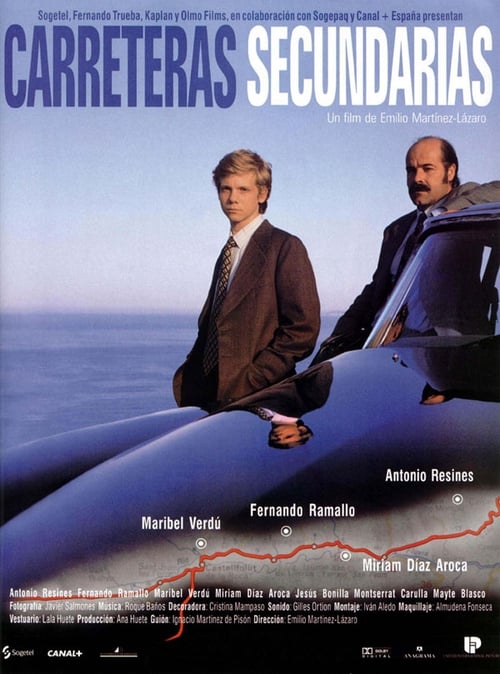
1997
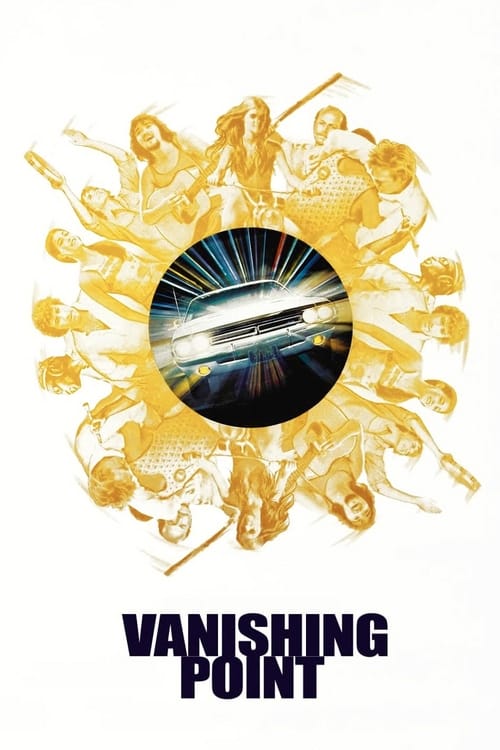
1971
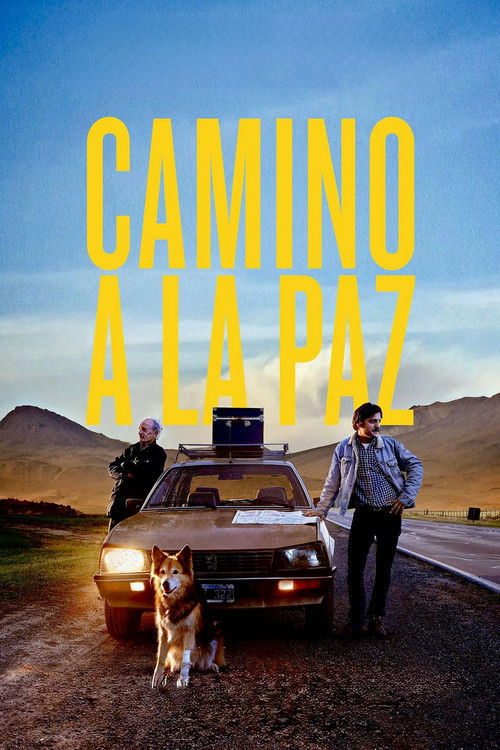
2015
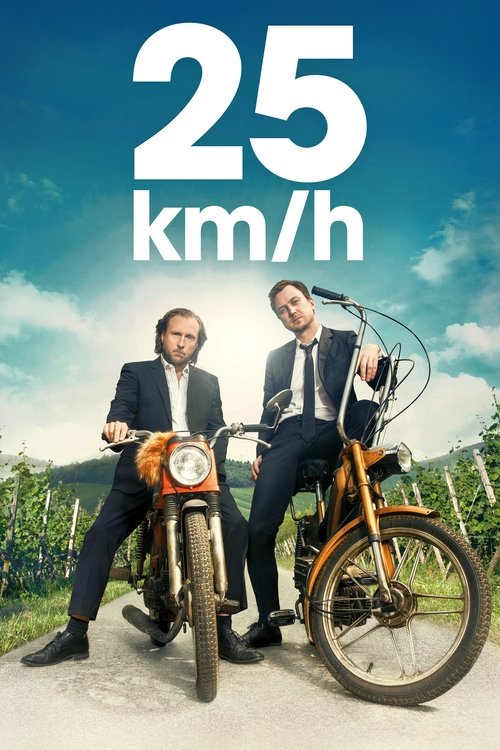
2018
No reviews yet. Be the first to share your thoughts on this movie!
Use the rating form above to leave a star rating and optional review.