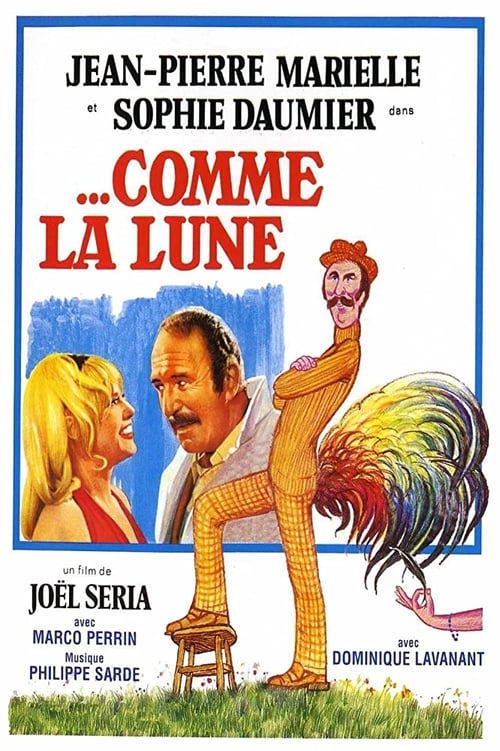
As the Moon
1977
No user ratings available yet
Representation score: 4.1 out of 10

Representation Score
Minimal
1970
Director
Jean Valère
Runtime
91 minutes
Average Rating
No ratings yetNew Showbiz Analysis
Mont-Dragon functions as a traditional period piece that heavily relies on established social hierarchies and romantic clichés. The plot is driven by the actions of a male protagonist who manipulates and humiliates the women around him. While the film examines the social consequences of scandal and the disruption of class-based reputation, it does not aim to dismantle the underlying power structures. Instead, it reinforces a world where gender and class roles are clearly defined and largely static. Ultimately, the film lacks intentionality regarding the overlapping aspects of identity, focusing instead on personal morality and individual revenge within a conventional Western European framework.
Category Breakdown
The film does not include any representation of LGBTQ+ identities or non-cisgender gender expressions. It focuses solely on heterosexual relationships and traditional courtship.
The plot is driven by male characters who use seduction and manipulation to advance the story. Female characters such as Germaine and Martha play important emotional roles but are often confined to traditional positions like servants or vengeful orphans.
The story unfolds in a homogeneous Western European setting with no indication of a diverse cast or the use of non-human species to represent ethnic diversity.
The narrative critiques the rigid class-based social order through themes of scandal but operates within established aristocratic and military hierarchies without challenging systemic issues.
There is no depiction of characters with visible or invisible disabilities in the narrative.
Present on Screen
Limited or Absent
Official Synopsis
Because he has seduced Germaine de Boismenil, Georges Dormont is thrown out of the army by the colonel and husband of the beautiful. After the death of the Count of Boismenil, Dormont arrived at the castle of the widow with the firm intention of taking revenge. From the outset, he seduces Pierrette, the servant, revives the heart of Germaine, having gotten an appointment with the widow, he makes her naked, humiliates and leaves her. Witness of the scene, Martha, the proud orphan, throws herself into the arms of Gaston, faithful order of the colonel, to avenge her mother. George soon flouted their feelings. He then forces Germaine to reveal his attachment to Pierrette and causes a beautiful scandal.
1977

1974
1956

1961
1955
1965

1965
1973
No reviews yet. Be the first to share your thoughts on this movie!
Use the rating form above to leave a star rating and optional review.