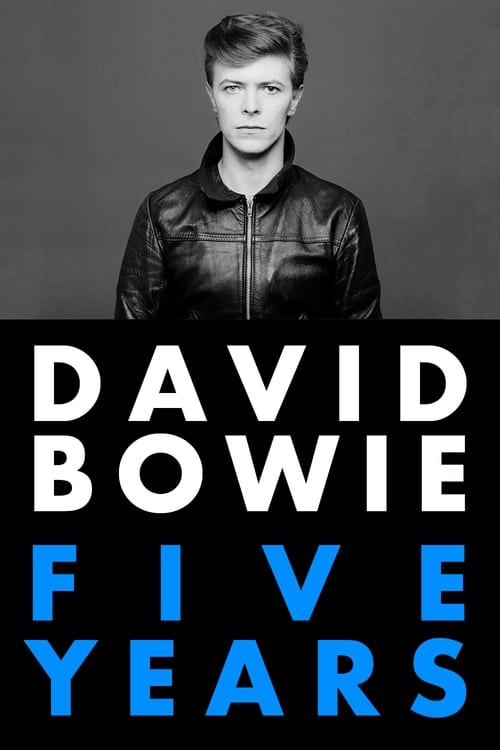
David Bowie: Five Years
2013
No user ratings available yet
Diversity score: 7.1 out of 10

2017
TV-14Director
Francis Whately
Runtime
90 minutes
Average Rating
No ratings yetSynopsis
In the last five years of his life, David Bowie ended nearly a decade of silence to engage in an extraordinary burst of activity, producing two groundbreaking albums and a musical. David Bowie: The Last Five Years explores this unexpected end to a remarkable career. Made with remarkable access, Francis Whately’s documentary is a revelatory follow-up to his acclaimed 2013 documentary David Bowie: Five Years, which chronicled Bowie’s golden ‘70s and early-‘80s period.
Overall Score
Good
Category Breakdown
LGBTQ+ Representation
The film centers on Bowie’s profound impact on queer culture and his role in challenging heteronormative standards. It treats his fluid presentation as a central pillar of his cultural legacy.
Gender Representation
This documentary offers a sophisticated look at how Bowie used androgyny to disrupt traditional masculinity. It explores his ability to dismantle gender binaries through performance art and artistic agency.
Racial & Ethnic Diversity
While focused on a white Western icon, the film showcases Bowie's global influence through a diverse array of collaborators. It avoids an Anglo-centric view by highlighting his international reach.
Religious & Cultural Diversity
The narrative emphasizes identity fluidity and the deconstruction of social norms. It presents a secular, artistically-driven worldview that prioritizes subjective reinvention over static traditions or religious standards.
Disability Representation
The film touches on the physical realities of Bowie's final years without resorting to pity. It integrates personal struggle into the broader narrative of his creative and intellectual evolution.
Strengths
Areas for Improvement
AI Analysis
The documentary excels as a progressive study of identity, specifically regarding gender and queer representation. It moves beyond simple biography to analyze how Bowie's persona disrupted established social hierarchies and cultural paradigms. While the film is highly effective in exploring non-cisnormative expression, it remains inherently limited by its biographical focus on a single white subject. This naturally caps the racial and ethnic diversity scores. Ultimately, the film succeeds by framing artistic output as a tool for social subversion. It provides a nuanced look at how an individual can reshape cultural expectations through constant reinvention.
No reviews yet. Be the first to share your thoughts on this movie!
Use the rating form above to leave a star rating and optional review.