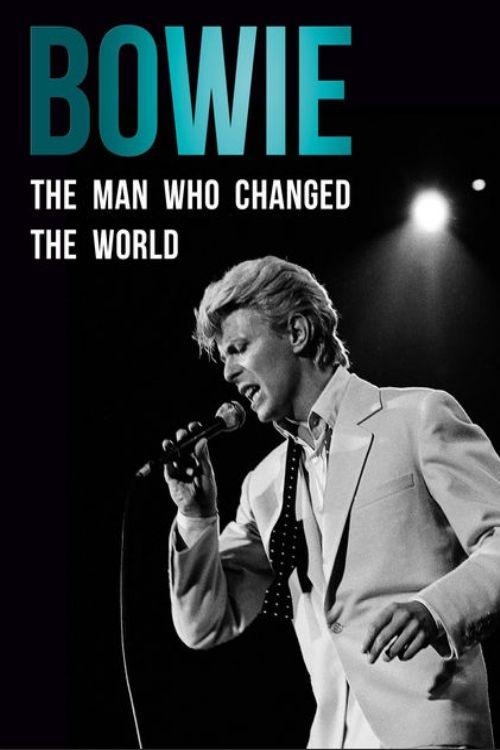
Bowie: The Man Who Changed the World
2016
No user ratings available yet
Diversity score: 6.7 out of 10
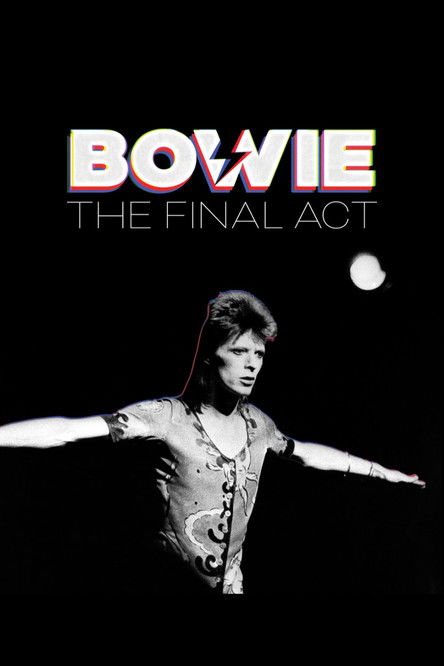
2025
Director
Jonathan Stiasny
Runtime
90 minutes
Average Rating
No ratings yetSynopsis
The final creative chapter of one of music’s most iconic artists. Featuring rare interviews with those who knew and worked alongside Bowie as well as famous fans and figures who have been inspired by his artistry, the film will uncover the strategy behind Bowie’s artistic resurrection and the inexhaustible extraordinary creativity that defined his final decade, in which he released his critically acclaimed album Blackstar just two days before he died. This was an emergence from the turbulence of the 1990s, when Bowie had found himself at odds with a changing industry but pushed on to headline Glastonbury in 2000.
Overall Score
Good
Category Breakdown
LGBTQ+ Representation
The film centers on David Bowie, a foundational icon for non-cisnormative identities. It explores his quest for identity and queer aesthetics through his various reinventions. This approach inherently critiques heteronormative standards of performance.
Gender Representation
The narrative challenges traditional hierarchies by highlighting Bowie’s history of gender ambiguity. By focusing on artistic reinvention, the film celebrates the fluidity of persona over rigid, traditional gender roles.
Racial & Ethnic Diversity
Contributors like Hanif Kureishi and Goldie introduce varied ethnic perspectives to the discussion. However, the film remains anchored in a specific Western musical lineage, limiting broader racial breadth.
Religious & Cultural Diversity
The documentary avoids standard hagiography, opting for a complex, subjective truth. It prioritizes individual expression and artistic resurrection over traditional Western celebrity structures and institutional norms.
Disability Representation
There is no explicit evidence regarding the portrayal of physical or neurodivergent disabilities. Consequently, no meaningful assessment of disability representation can be made.
Strengths
Areas for Improvement
AI Analysis
The film succeeds as a sophisticated study of identity, using Bowie as a catalyst to disrupt conventional biographical tropes. It moves beyond the 'great man' history by focusing on the subversion of established cultural hierarchies and the complexities of the artist's mythos. While the documentary provides a nuanced exploration of gender and sexual norms, it remains culturally centered on a Western musical icon. This focus provides depth to the subject's legacy but limits the scope of racial and ethnic diversity. Ultimately, the film's strength lies in its refusal to offer simple praise, instead presenting a layered examination of identity politics and the rejection of industry norms.
2016

2021
2021

2024

2011

2008

2023

2024

2015

2022

2006

2022
No reviews yet. Be the first to share your thoughts on this movie!
Use the rating form above to leave a star rating and optional review.