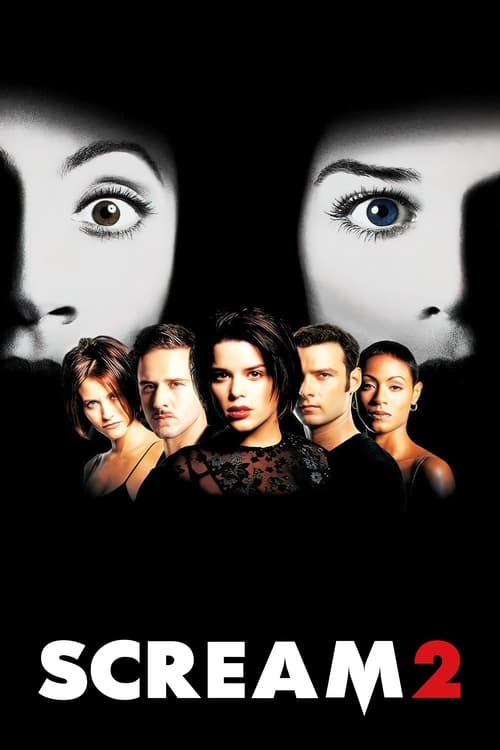
Scream 2
1997
No user ratings available yet
Representation score: 6.0 out of 10
Representation Score
Fair
1996
RDirector
Wes Craven
Runtime
112 minutes
Average Rating
No ratings yetNew Showbiz Analysis
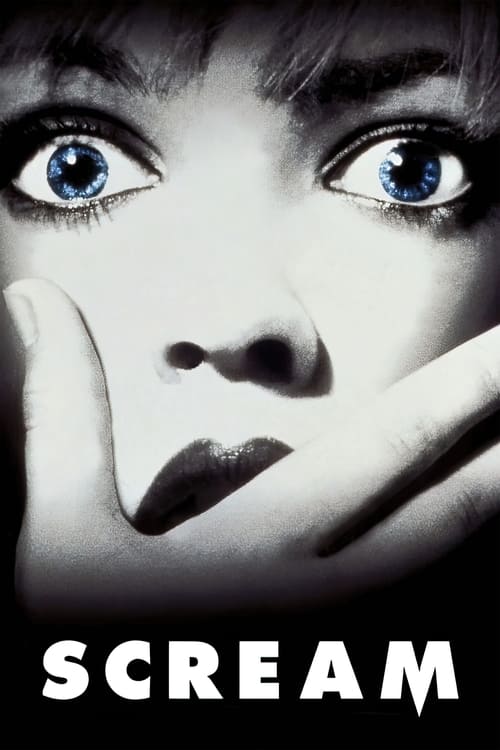
Scream stands out for its progressive deconstruction of gender stereotypes. By giving female characters significant roles and autonomy, the film moves beyond traditional horror narratives. However, the film lacks demographic diversity. The setting is presented as a predominantly white community with minimal characters who reflect more than one aspect of diversity. The film focuses more on critiquing media and systemic issues than on diversity of identity. Ultimately, the film's strength lies in its postmodern critique of media and systemic influence rather than its diversity of identity.
Category Breakdown
The film follows traditional assumptions about straight relationships and gender identity, with no clear depiction of LGBTQ+ characters or stories.
Sidney Prescott challenges the typical damsel-in-distress stereotype by showing intelligence and self-reliance. Female characters like Gale Weathers and Tatum Riley have strong roles and significant independence in navigating the plot.
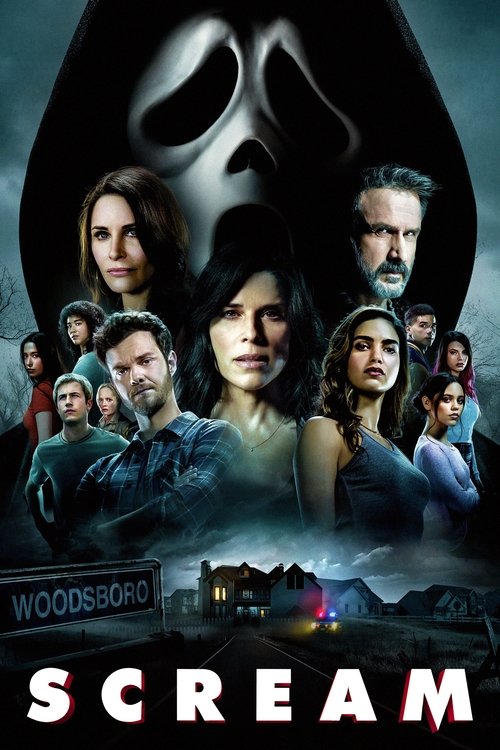
Woodsboro is portrayed as a predominantly white community with little diversity. The film does not feature characters from various racial backgrounds or include multi-layered casting.
The movie criticizes the media's glorification of crime and celebrities, while also depicting law enforcement as ineffective. Characters often rely on personal survival skills due to the lack of effective police support.
The film does not highlight or intentionally include characters with visible or invisible disabilities. Characters are primarily defined by their social roles and involvement in the central mystery.
Present on Screen
Limited or Absent
Official Synopsis
A year after the murder of her mother, a teenage girl is terrorized by a masked killer who targets her and her friends by using scary movies as part of a deadly game.
1997

1974
2000
1979
2011
1980
2022

2006
No reviews yet. Be the first to share your thoughts on this movie!
Use the rating form above to leave a star rating and optional review.