
Il barbiere di Rio
1996
No user ratings available yet
Representation score: 3.7 out of 10
Representation Score
Limited
1995
Director
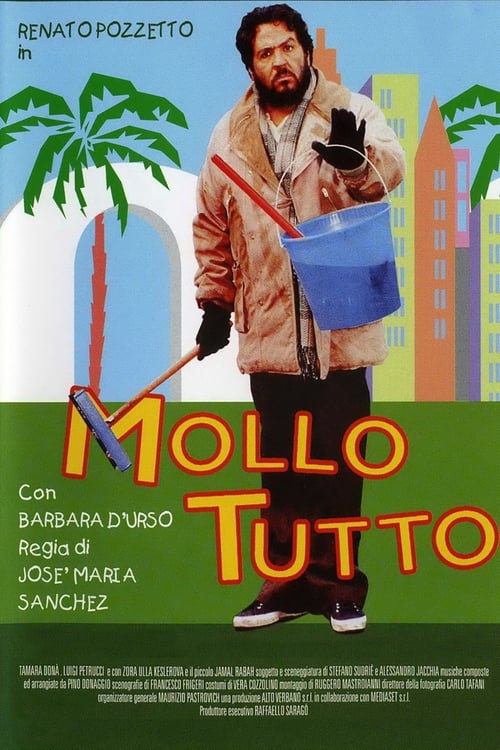
José María Sánchez
Runtime
100 minutes
Average Rating
No ratings yetNew Showbiz Analysis
The film presents a narrative of individualistic transition that moves beyond a singular European setting. While the shift to Tunisia offers some cultural variety, the story remains anchored in traditional character dynamics. The protagonist's personal desires drive the plot, while the social structures he abandons are treated as personal obstacles. This prevents the film from engaging in a deeper systemic critique of the institutions it depicts. Ultimately, the work avoids reinforcing harmful stereotypes but fails to significantly disrupt established social hierarchies, resulting in a moderate diversity profile.
Category Breakdown
The film focuses on a traditional family unit with a husband, wife, and daughter. There are no explicit LGBTQ+ characters or critiques of the assumption that everyone is straight or cisgender.
The male protagonist, Franco, drives the plot by abandoning his family. Female characters primarily serve as anchors he leaves behind rather than active participants.
The story shifts from Rome to Tunisia, introducing a non-Western cultural context. This move provides some cross-cultural variety outside a purely Eurocentric framework.
The narrative explores escapism and the rejection of social roles like the shopkeeper. However, it focuses on individual pursuits rather than a systemic critique of Western institutions or the nuclear family.
There is no mention of characters with visible or invisible disabilities.
Present on Screen
Limited or Absent
Official Synopsis
Franco is tired of his life as a shopkeeper in Rome and decides to leave his wife and daughter to begin a new life in Tunisia.
1996
1981
2001

1996

2015
1970
1958

1982
No reviews yet. Be the first to share your thoughts on this movie!
Use the rating form above to leave a star rating and optional review.