Boatman
1994
No user ratings available yet
Representation score: 6.4 out of 10
Representation Score
Fair
1994
Director
Nikolaus Geyrhalter
Runtime
86 minutes
Average Rating
No ratings yetNew Showbiz Analysis
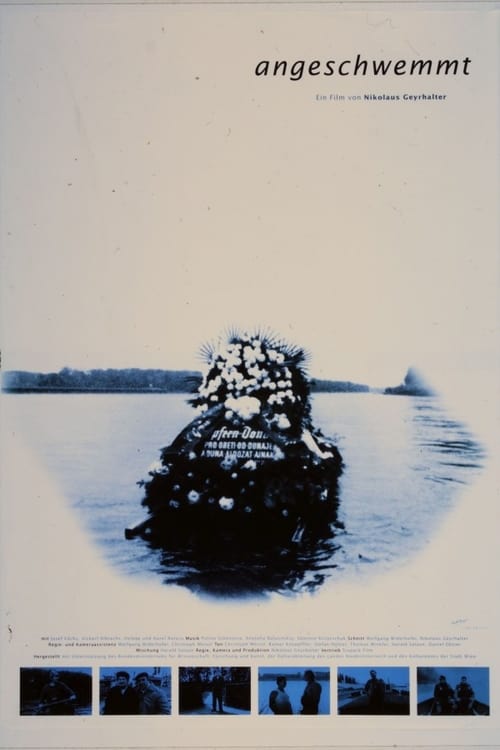
Washed Ashore offers a sophisticated ethnographic study of the Danube's human ecology, avoiding traditional protagonist-driven narratives. Instead, it focuses on a mosaic of diverse social strata and unique lifestyles. The film excels in presenting a pluralistic community defined by movement and non-conformity. By centering underrepresented figures like stranded shippers and tramps, it challenges conventional social hierarchies and institutional stability. While the documentary provides a broad observational scope, it lacks specific information on LGBTQ+ identities or disability representation. Its strength lies in its emphasis on multi-layered visibility and spiritual diversity.
Category Breakdown
The film touches on unconventional lifestyles through characters like tramps and stranded shippers. However, it does not explicitly confirm any specific LGBTQ+ identities or narratives.
The documentary showcases a range of social roles, including fishermen, monks, and soldiers. This variety challenges a single, monolithic social hierarchy, though it does not explicitly subvert traditional gender roles.
The inclusion of Buddhist monks in a European riverine setting highlights ethnic and spiritual diversity. This inclusion challenges the expectation of a culturally homogeneous community along the Danube.
By focusing on marginal figures like allotment holders and tramps, the film emphasizes lifestyles outside mainstream structures. It prioritizes naturalism over organized religious practices.
There is no specific mention of characters with visible or invisible disabilities in the documented subjects or context.
Present on Screen
Limited or Absent
Official Synopsis
Life on the Danube is essentially determined by two factors: the river itself and the often strange idiosyncrasies of the people who live along its banks. And they are multifarious: fishermen and graveyard wardens, Buddhist monks, allotment holders on Danube Island, stranded shippers, tramps and soldiers. All linked by the great current against which they swim.
1994
2013
2016

2000

2019

2004
1966

2010
No reviews yet. Be the first to share your thoughts on this movie!
Use the rating form above to leave a star rating and optional review.