
American Me
1992
No user ratings available yet
Representation score: 3.0 out of 10
Representation Score
Minimal
1993
RDirector
Brian De Palma
Runtime
144 minutes
Average Rating
No ratings yetNew Showbiz Analysis
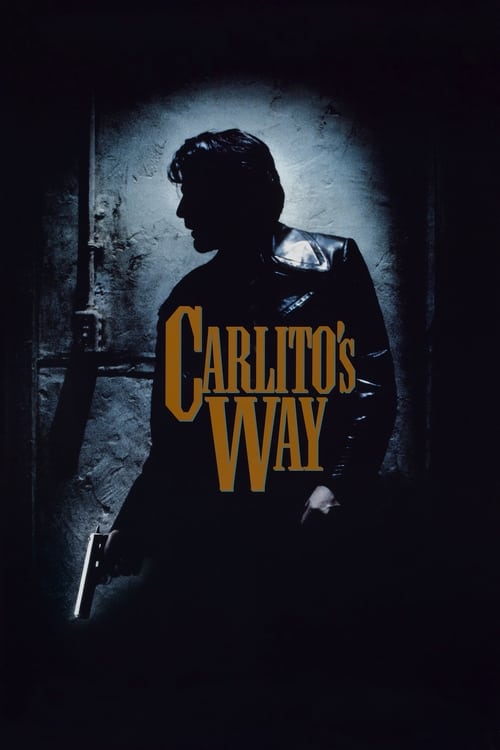
Carlito's Way is a character-driven neo-noir that emphasizes moral ambiguity over promoting progressive social identities. It excels at deconstructing the traditional hero archetype through a lens of systemic corruption. However, the film remains anchored in conventional mid-to-late 20th-century cinematic frameworks. The narrative relies on traditional gender roles and a narrow ethnic perspective, limiting its social breadth. Ultimately, the film focuses on the individual's tragic struggle against fate rather than a diverse or multi-layered exploration of society.
Category Breakdown
The film adheres to a traditional framework centered around straight relationships. The central romance between Carlito and Gail serves as a conventional symbol of redemption without any visible LGBTQ+ identities.
Narrative roles follow traditional hierarchies, with Carlito as the primary actor. Gail acts as a reactive catalyst for Carlito’s internal struggle rather than an independent driver of her own actions.
The story centers on a specific Italian-American subculture within New York City. It lacks diverse casting or cultural blending, maintaining a relatively homogeneous social ecosystem.
The film explores moral relativism by emphasizing personal codes of honor over legal systems. It critiques institutional authority but does not address broader systemic or political issues.
The film does not include characters with visible or invisible disabilities. There are no specific instances of disability-related clichés in the narrative.
Present on Screen
Limited or Absent
Official Synopsis
Free after years in prison, Carlito Brigante intends to give up his criminal ways, but it's not long before the ex-con is sucked back into the New York City underworld.
1992

1990

1990
1996
1983

1978

1993

1972
No reviews yet. Be the first to share your thoughts on this movie!
Use the rating form above to leave a star rating and optional review.