Andy and Zach
2011
No user ratings available yet
Diversity score: 3.7 out of 10
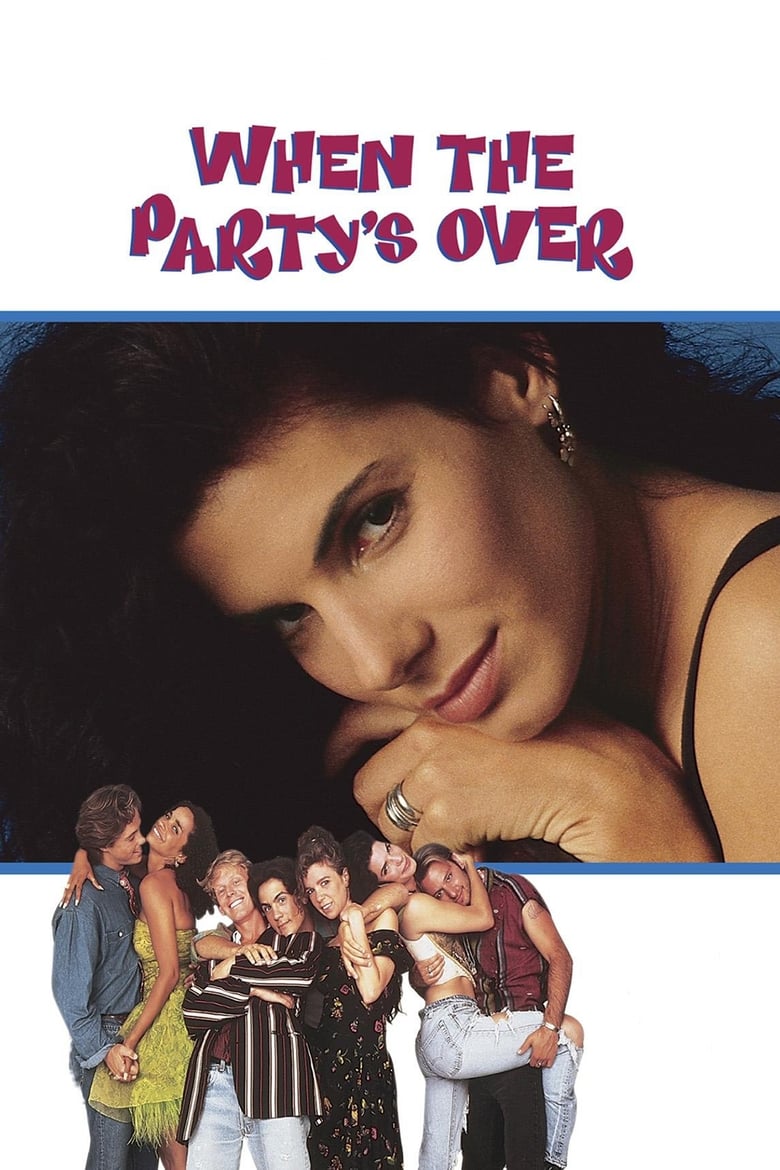
1993
RDirector
Matthew Irmas
Runtime
110 minutes
Average Rating
No ratings yetSynopsis
Three women and a gay man in their 20s share a house in Los Angeles; try to find love and happiness - often at the expense of their well-being and friendships. Artist Amanda is trying to make it on the gallery scene, while aspiring actor Banks attempts to hit it big in Hollywood. Meanwhile, Frankie has an emotionally draining yet rewarding job as a social worker, but would be shattered to know that her roommate M.J. is sleeping with her boyfriend.
Overall Score
Limited
Category Breakdown
LGBTQ+ Representation
The film includes a gay man within the central social circle. While this provides visibility, the character functions as part of an ensemble rather than driving a critique of heteronormativity.
Gender Representation
The story centers on female agency through three women pursuing professional goals. However, the narrative prioritizes interpersonal friction and emotional volatility over the subversion of gender hierarchies.
Racial & Ethnic Diversity
The cast is primarily composed of white, middle-class individuals. There is no evidence of significant racial mixing or diverse identities used to challenge the status quo.
Religious & Cultural Diversity
Themes explore the friction between bohemian lifestyles and structured society. The focus remains on individualistic drama and personal morality rather than systemic institutional critiques.
Disability Representation
There is no evidence of characters with visible or invisible disabilities. The narrative does not engage with neurodivergence or chronic illness.
Strengths
Areas for Improvement
AI Analysis
When the Party's Over is a character-driven ensemble drama that leans heavily on traditional narrative structures. It finds its strength in centering female protagonists and providing visibility for an LGBTQ+ character within the core group. However, the film lacks significant racial diversity, presenting a largely homogeneous, white, middle-class demographic. This absence, combined with a total lack of disability representation, keeps the overall impact limited. The film focuses on the subjective struggles of finding happiness and navigating personal relationships. It prioritizes individualistic emotional drama over broader systemic or intersectional critiques of society.
2011
2014
2013
1999
1995

1978
1997

2016

2009

2002
1998

1998
No reviews yet. Be the first to share your thoughts on this movie!
Use the rating form above to leave a star rating and optional review.