Andy and Zach
2011
No user ratings available yet
Representation score: 3.6 out of 10
Representation Score
Fair
2014
Not RatedDirector
Jess Weixler, Jennifer Prediger
Runtime
95 minutes
Average Rating
No ratings yetNew Showbiz Analysis
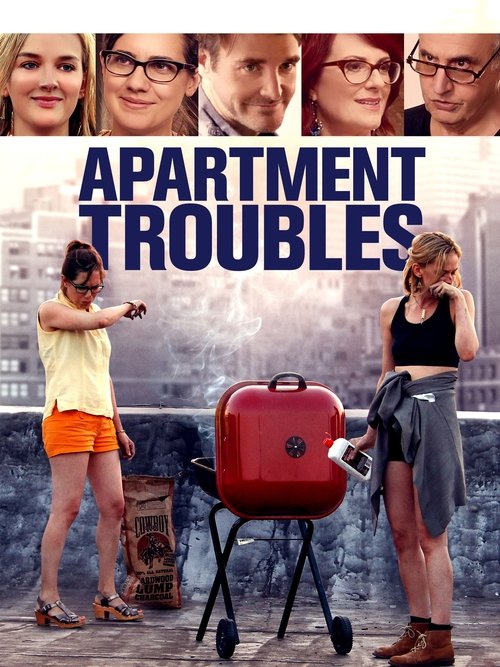
Apartment Troubles excels as a character-driven exploration of women's ability to drive the story and unconventional social bonds. By focusing on the inner lives of women and their supportive relationships, the film downplays traditional masculine roles and hierarchies. However, the film lacks broad diversity. It focuses on a specific demographic typical of indie dramas, showing limited racial diversity and avoiding explicit critiques of systemic issues. While it challenges traditional family models through chosen kinship, it remains grounded in personal stories rather than broader societal critiques.
Category Breakdown
The film highlights unconventional living situations and flexible relationships but does not show same-sex intimacy or non-cisgender identities.
It centers on female characters and their friendships, focusing on urban survival and mutual support rather than romantic pursuits involving male figures.
The cast seems typical of indie dramas, lacking significant diversity or non-Anglo-Saxon representation.
The story looks at chosen kinship among roommates, gently challenging traditional family structures, emphasizing personal survival and ethical dilemmas.
There is no clear indication of characters with visible or invisible disabilities. Disability is not used as part of the narrative.
Present on Screen
Limited or Absent
Official Synopsis
Two codependent roommates, on the verge of eviction, flee New York for the promise of sunshine in Los Angeles where their friendship is tested by a chance at fame, a fortune teller and an amorous wealthy aunt.
2011

2025

2014

2016
2015

2015

1993

2015
No reviews yet. Be the first to share your thoughts on this movie!
Use the rating form above to leave a star rating and optional review.