
Women
1995
No user ratings available yet
Representation score: 5.2 out of 10
Representation Score
Fair
1997
PG-13Director
Jill Sprecher
Runtime
96 minutes
Average Rating
No ratings yetNew Showbiz Analysis
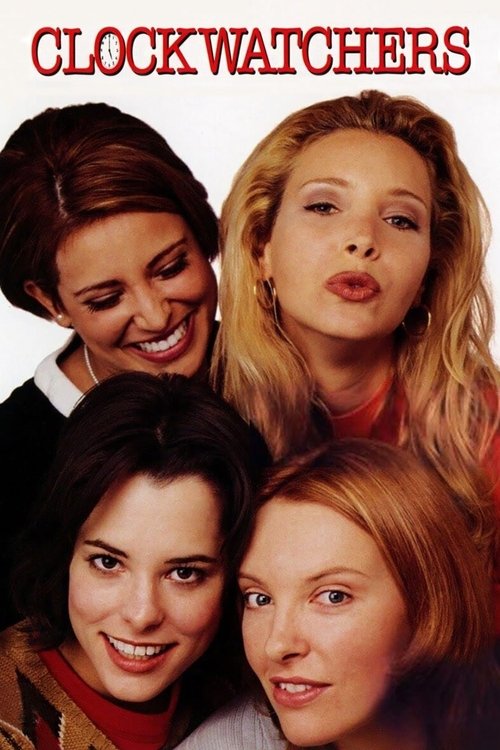
Clockwatchers excels as a character study that transforms the everyday struggles of working women into a complex examination of power and systemic instability. By centering the narrative on female professional ambition, it avoids traditional clichés that sideline women to secondary roles. The film's strength lies in its detailed look at the precarious labor environment. It uses the friction of workplace competition to explore how economic structures affect personal relationships and female solidarity. However, the film's scope is somewhat limited by its focus on a specific socioeconomic niche. While it offers a strong critique of labor institutions, it lacks explicit representation of diverse romantic identities or specific racial details.
Category Breakdown
The film delves into deep emotional connections and female intimacy. However, it doesn't explicitly confirm non-straight relationships, staying within conventional assumptions about relationships.
Women drive the plot through their professional ambitions and intelligence. The story challenges traditional roles by highlighting their active roles rather than domestic ones.
The story focuses on a specific socioeconomic group of temporary workers. While class dynamics are central, the specific racial makeup of the cast is not detailed.
The film critiques capitalist structures and the instability of the temporary economy. It highlights the tension between individual identity and corporate utility.
There is no information available regarding the portrayal of physical disabilities or neurodivergence in this film.
Present on Screen
Limited or Absent
Official Synopsis
Four female temps working for a credit company find their friendship threatened by the arrival of a new hire, who lands a permanent position one of the women was vying for.
1995
1999

1996

2008

2001

2018

1978

2002
No reviews yet. Be the first to share your thoughts on this movie!
Use the rating form above to leave a star rating and optional review.