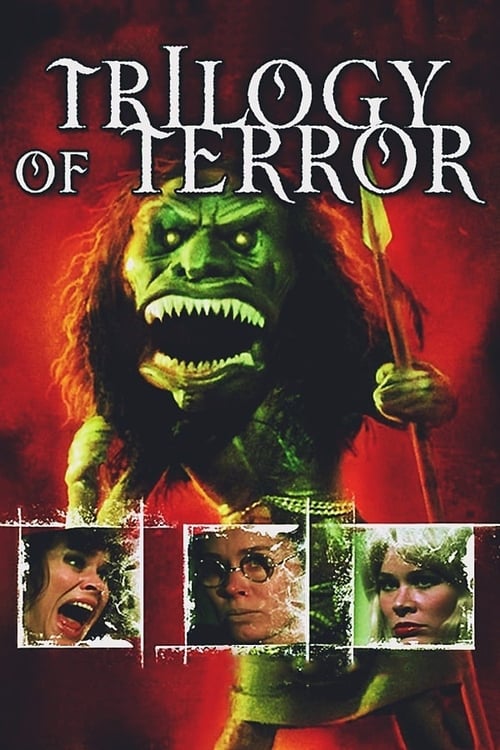
Trilogy of Terror
1975
No user ratings available yet
Representation score: 1.6 out of 10
Representation Score
Good
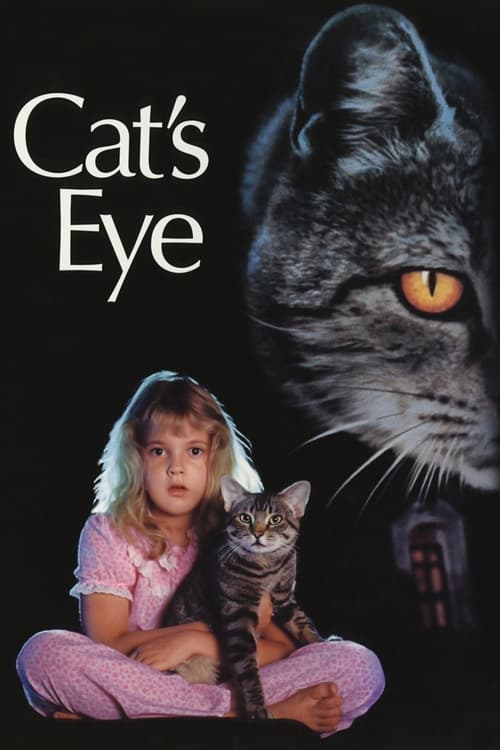
1985
PG-13Director
Lewis Teague
Runtime
94 minutes
Average Rating
No ratings yetNew Showbiz Analysis
Cat's Eye succeeds in subverting mid-80s genre clichés by centering female roles and providing diverse casting through its anthology structure. The film moves away from passive female roles, instead presenting women who actively defend themselves against aggressors. However, the film lacks depth in addressing multiple aspects of identity. While it includes a Black female protagonist, it does not use race as a central theme. The narrative remains focused on individual survival and personal ethics rather than broader social or systemic critiques. Ultimately, the film serves as a transitional piece. It offers moments of progressive characterization regarding gender and race, but remains limited by a reliance on traditional horror archetypes and a lack of representation for disability or LGBTQ+ identities.
Category Breakdown
The film does not include explicit LGBTQ+ characters or explore non-straight relationships. Interpersonal relationships focus on traditional heterosexual dynamics like infidelity and family life.
Female characters play key roles in driving the plot through high-stakes decision-making throughout the film. The final segment overturns the damsel in distress cliché by showing a woman using supernatural abilities to protect herself.
The anthology format allows for racial inclusion, particularly featuring a Black female lead in the third segment. However, the film does not delve deeply into systemic issues related to race.
The narrative explores moral relativism and situational ethics rather than institutional morality. It does not provide a dedicated critique of Western institutions or a proactive stance against capitalism.
There is no meaningful portrayal of neurodivergence or physical disabilities. Characters are defined primarily by their physical ability to navigate immediate genre-based challenges.
Present on Screen
Limited or Absent
Official Synopsis
Three short stories linked by a stray cat that roams from one tale to the next, in this creepy triptych that begins as Dick tries to quit smoking by any means necessary. Next, we meet Johnny, an adulterous man who's forced by his lover's husband onto a building's hazardous ledge. Finally, Amanda is threatened by an evil gnome who throws suspicion on the family cat.
1975
1945
1983
1981
1982

1962
1990
1965
No reviews yet. Be the first to share your thoughts on this movie!
Use the rating form above to leave a star rating and optional review.