
Green River Killer
2005
No user ratings available yet
Representation score: 2.6 out of 10
Representation Score
Minimal
1985
RDirector
John Dwyer
Runtime
107 minutes
Average Rating
No ratings yetNew Showbiz Analysis
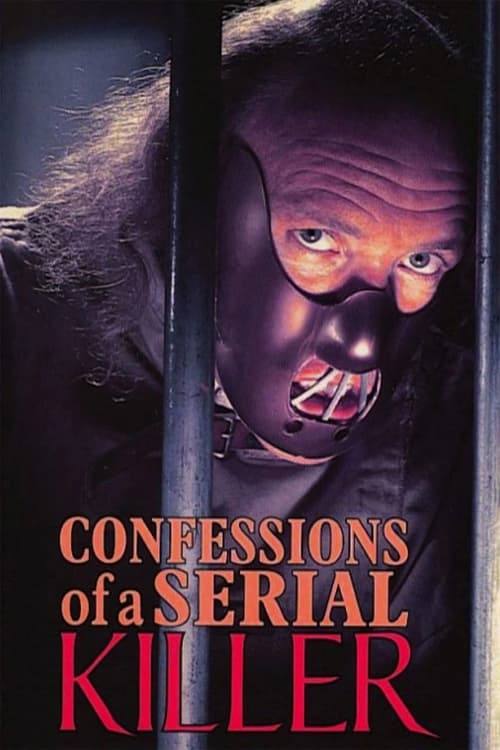
Confessions of a Serial Killer functions as a standard 1980s true-crime horror piece. It prioritizes the sensationalized retelling of Henry Lee Lucas's crimes over nuanced social representation. The film relies heavily on established genre clichés, focusing on a male-centric narrative of victimization. This approach reinforces existing social hierarchies rather than challenging them. Ultimately, the production lacks the intentionality required to provide meaningful perspectives that reflect multiple aspects of identity, adhering instead to the demographic and narrative norms of its era.
Category Breakdown
The film focuses on a male protagonist's crimes against women. There is no indication of LGBTQ+ identities or narratives that question the assumption that everyone is straight or cisgender.
The story centers on a male perpetrator and his female victims. It reinforces traditional patriarchal structures through violent power dynamics rather than challenging gender hierarchies.
Set in Texas, the film lacks a diverse cast. It appears to rely on the homogeneous demographic norms typical of 1980s American crime dramas.
The story operates within traditional Western legal and investigative institutions. It follows a standard procedural arc that reinforces the legitimacy of state authority.
There is no documented evidence regarding the inclusion of neurodivergence or physical disabilities within the character arcs or casting.
Present on Screen
Limited or Absent
Official Synopsis
After being arrested, a Texas man begins confessing to the brutal murder of over 200 women. He recounts his random selection of victims and his traveling companions, his friend and friend's sister. But the police can't be sure whether to believe him or not until he locates a body and shows them some polaroids. Based on the true story of Henry Lee Lucas.
2005
1974
2002

2003

2001

1986
1989
1968
No reviews yet. Be the first to share your thoughts on this movie!
Use the rating form above to leave a star rating and optional review.