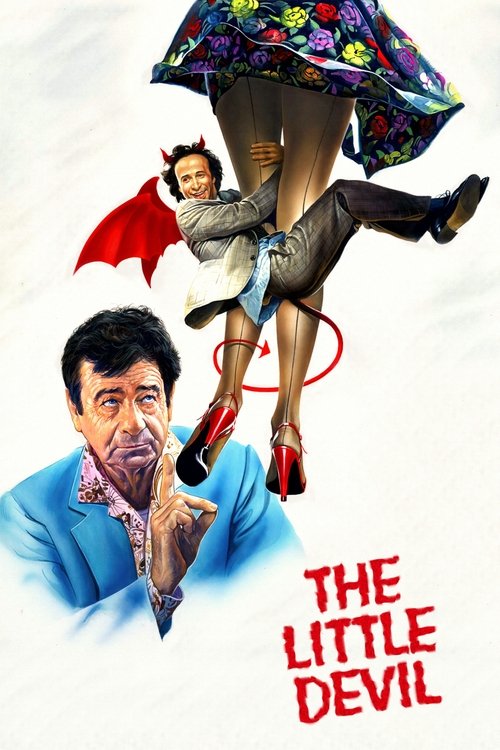
The Little Devil
1988
No user ratings available yet
Representation score: 4.8 out of 10
Representation Score
Fair
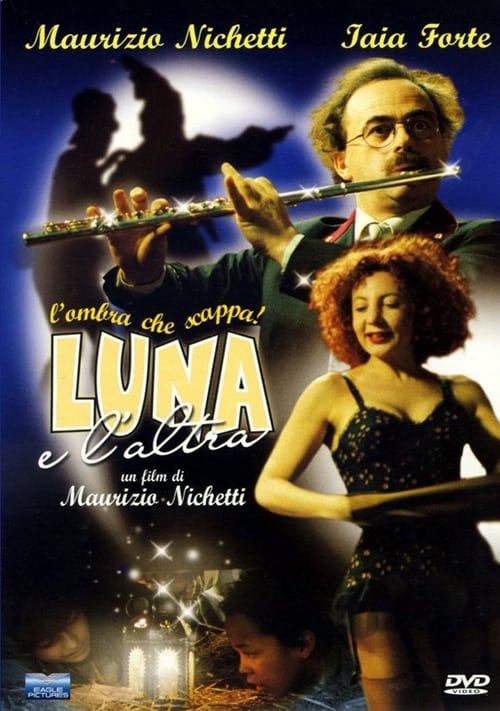
1996
Director
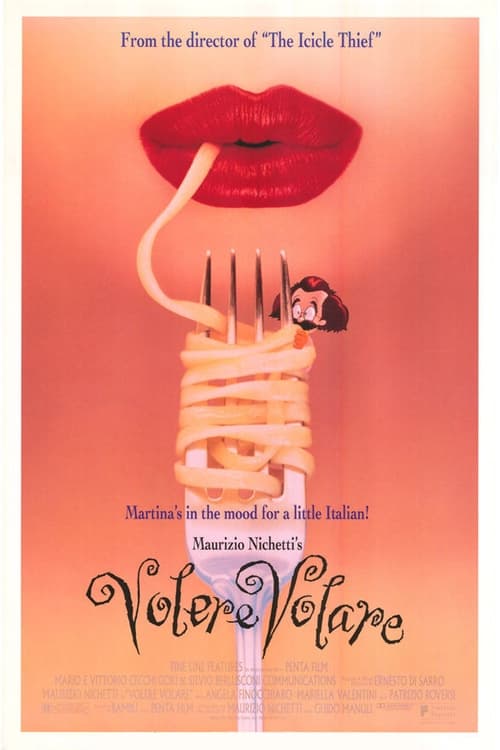
Maurizio Nichetti
Runtime
100 minutes
Average Rating
No ratings yetNew Showbiz Analysis
Maurizio Nichetti’s comedy focuses on psychological duality rather than broad social commentary. The film’s primary strength lies in its exploration of gendered expectations through the fantastical introduction of a 'shadow self.' This approach allows for a nuanced look at feminine ability to act. However, the film remains confined to a narrow cultural and romantic scope. The setting is localized to a specific European context, and the romantic arcs follow traditional heterosexual patterns without exploring queer or multi-ethnic elements. Ultimately, the work serves as a character study of identity. While it lacks diversity in representation, it succeeds in challenging conventional social norms through its surreal approach to the female psyche.
Category Breakdown
The movie centers around heterosexual relationships. The main romantic tension revolves around the janitor's unrequited feelings for the protagonist, Luna.
The film explores gender identity through a doppelgänger concept. This allows the protagonist to challenge traditional social roles and explore a wider range of expressions.
The story is set in Milan, Italy, and focuses on the domestic life within an urban European context. There is no indication of a multi-ethnic cast or diverse racial representation.
The film uses fantasy elements to examine the tension between social propriety and repressed desires. It operates within a traditional European comedic framework without specifically addressing religious or cultural institutions.
There is no information about characters with visible or invisible disabilities in this work.
Present on Screen
Limited or Absent
Official Synopsis
Luna is an endearingly prudish teacher in Milan, who lives with her grumpy father. Often teased by students and co-workers alike, her only ally is the janitor, Angelo, who harbors a secret crush on Luna. When a carnival comes to town, Luna meets a man who possesses a magic lamp, which he uses to free her "shadow self." This doppelganger is Luna's polar opposite, whose presence poses both a problem and an opportunity for Luna.
1988
1951
2001
2000
1991

2014

2022

2023
No reviews yet. Be the first to share your thoughts on this movie!
Use the rating form above to leave a star rating and optional review.