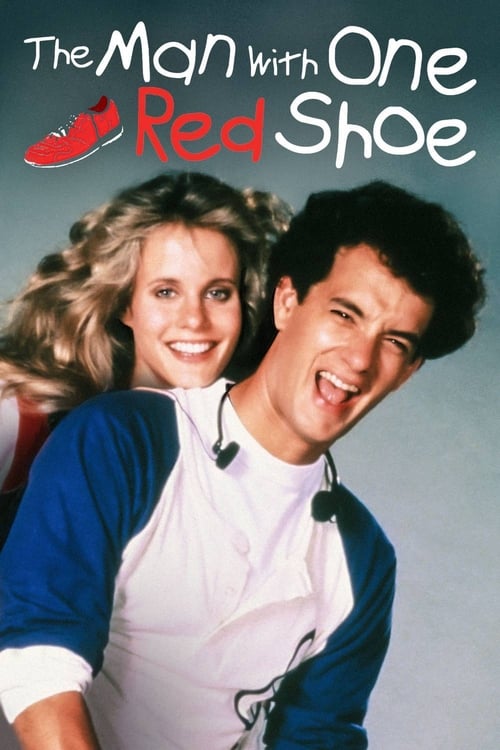
The Man with One Red Shoe
1985
No user ratings available yet
Representation score: 1.6 out of 10

Representation Score
Limited
1966
PGDirector
Woody Allen, Senkichi Taniguchi
Runtime
80 minutes
Average Rating
No ratings yetNew Showbiz Analysis
What's Up, Tiger Lily? is a postmodern experiment that prioritizes stylistic disruption over social commentary. By repurposing Japanese action footage with American comedic dubbing, it achieves a unique cross-cultural blend that challenges the era's standard cinematic homogeneity. However, the film's reliance on existing footage limits its ability to provide meaningful representation. Characters lack significant roles in driving the story, and the narrative structure does not allow for the development of complex identities regarding gender, sexuality, or disability. Ultimately, the film is a landmark of cinematic collage. While it succeeds in blurring the lines between Eastern and Western genres, it remains a work of absurdist pastiche rather than a vehicle for progressive identity politics.
Category Breakdown
The film does not include any LGBTQ+ identities or non-cisgender expressions. Its fragmented, collage-like editing prevents the development of queer narratives.
Female characters appear mainly as visual elements or subjects of comedy. They lack significant roles in driving the story and do not challenge traditional gender hierarchies.
The film disrupts Anglo-centric dominance by featuring a predominantly Japanese cast. This cross-cultural blending challenges the homogeneous cinematic standards of the 1960s.
The work celebrates stylistic absurdity rather than critiquing systemic power. It does not engage explicitly with anti-Western or anti-capitalist themes.
There is no representation of visible or invisible disabilities within the footage or comedic framework.
Present on Screen
Limited or Absent
Official Synopsis
In comic Woody Allen's film debut, he took the Japanese action film "International Secret Police: Key of Keys" and re-dubbed it, changing the plot to make it revolve around a secret egg salad recipe.
1985
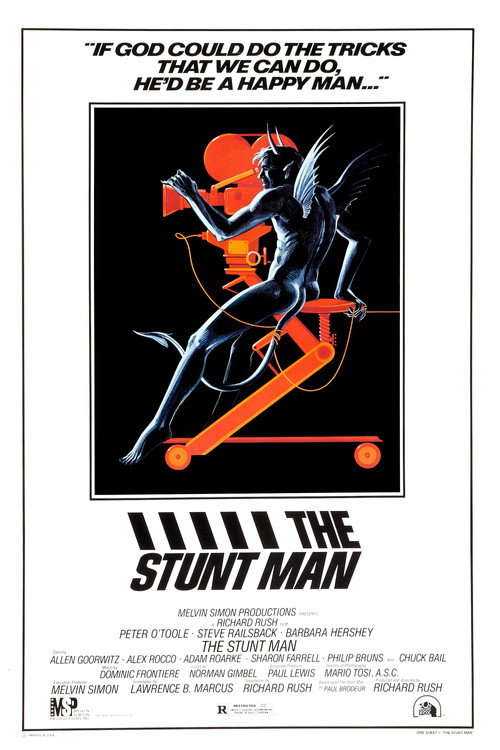
1980
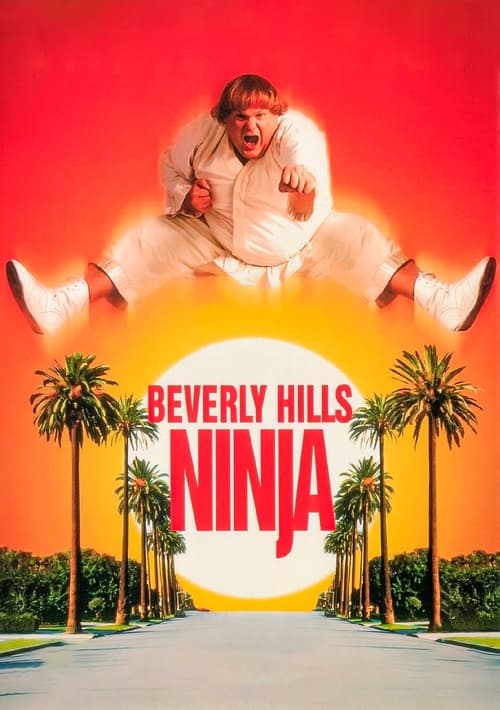
1997
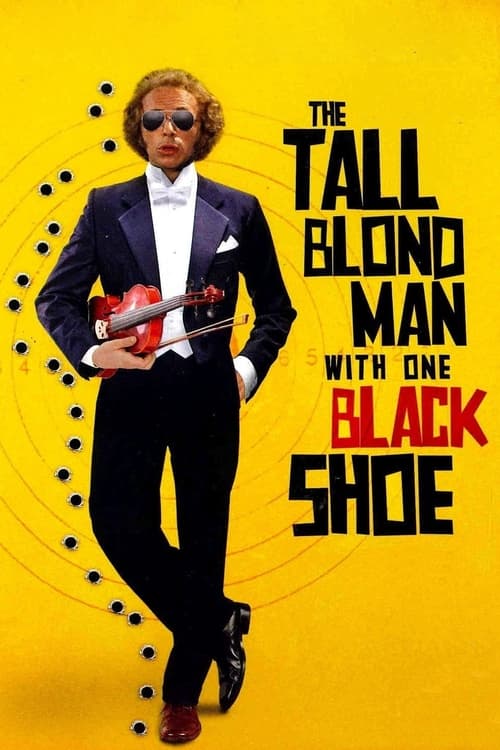
1972

1968
1977
1959
1971
No reviews yet. Be the first to share your thoughts on this movie!
Use the rating form above to leave a star rating and optional review.