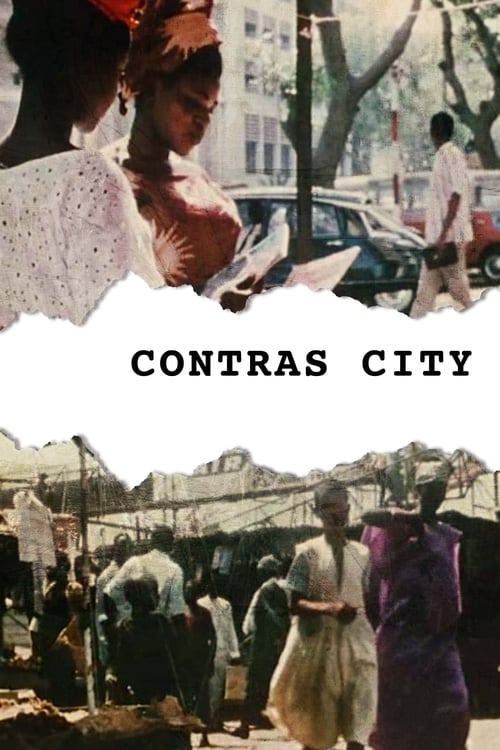
Contras' City
1969
No user ratings available yet
Representation score: 6.3 out of 10

Representation Score
Good
2009
Director
Jean-Marie Téno
Runtime
70 minutes
Average Rating
No ratings yetNew Showbiz Analysis
Sacred Places is a vital piece of decolonial cinema that challenges conventional expectations of how African life is portrayed. By centering the ability to act of local film enthusiasts, the film avoids ethnographic voyeurism. The film's primary strength lies in its successful subversion of Western-centric media hierarchies. It constructs a narrative of cultural resilience and intellectual autonomy, avoiding stereotypical depictions of poverty. While the film excels in racial and cultural representation, it lacks specific evidence regarding LGBTQ+ or disability-focused narratives. The focus remains on the communal and cinematic life of the neighborhood.
Category Breakdown
The film focuses on the communal and cinematic life of a Burkinabe neighborhood. There are no explicit LGBTQ+ narratives or depictions of non-binary gender identities.
The documentary explores a community space and the social fabric of a neighborhood. While it does not delve deeply into specific gender dynamics, it provides a platform for women to participate actively in public life.
The film excels by centering a non-Western African community. It challenges the Western perspective by emphasizing local ability to act and the internal cultural dynamics of Burkina Faso.
The narrative highlights local storytelling and critiques the dominance of globalized media. It underscores the significance of local institutions and post-colonial identity through a community-driven cine club.
There is no documented evidence regarding the portrayal of characters with physical or neurodivergent disabilities in this work.
Present on Screen
Limited or Absent
Official Synopsis
Cameroonian filmmaker Jean-Marie Téno profiles a poor but lively neighborhood in the capital of Burkina Faso, where a cine club proprietor tries to include Burkinabe films among the action and Bollywood fare.
1969
2007
2003
2000
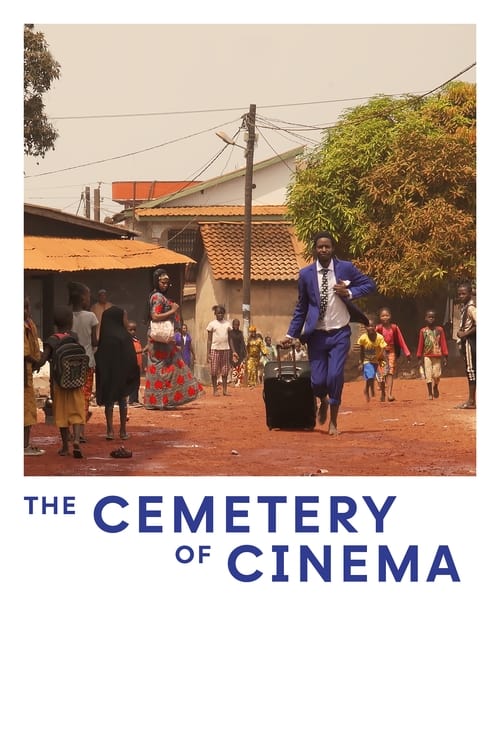
2023
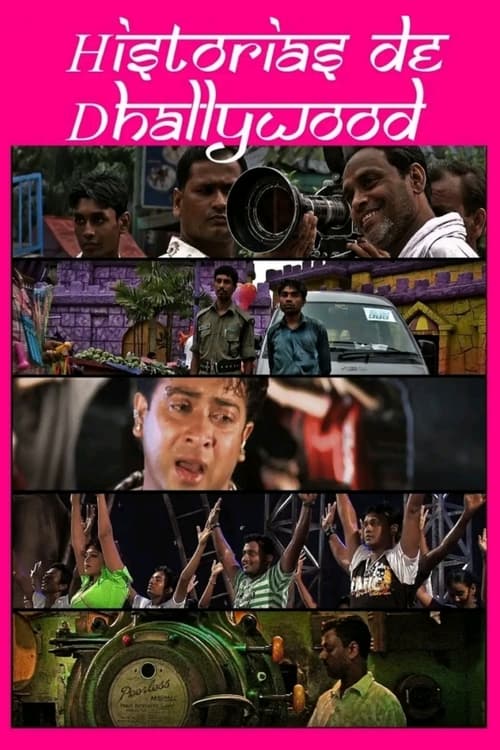
2011

2009
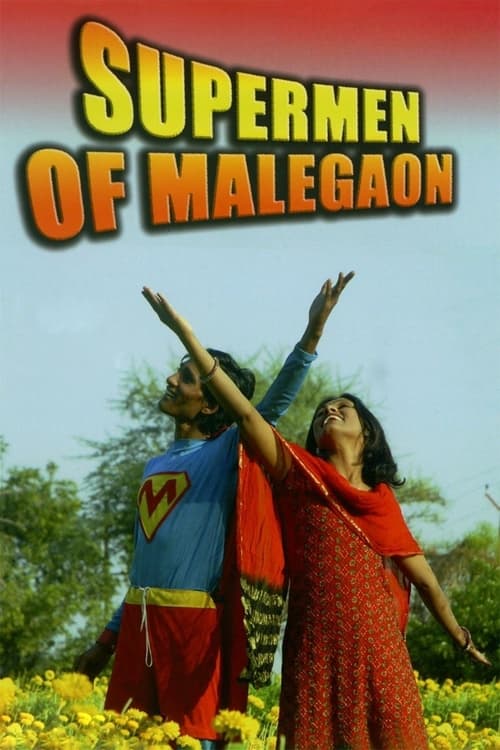
2008
No reviews yet. Be the first to share your thoughts on this movie!
Use the rating form above to leave a star rating and optional review.