
Matru Ki Bijlee Ka Mandola
2013
No user ratings available yet
Representation score: 6.8 out of 10
Representation Score
Good
2015
Not RatedDirector
Shoojit Sircar
Runtime
123 minutes
Average Rating
No ratings yetNew Showbiz Analysis
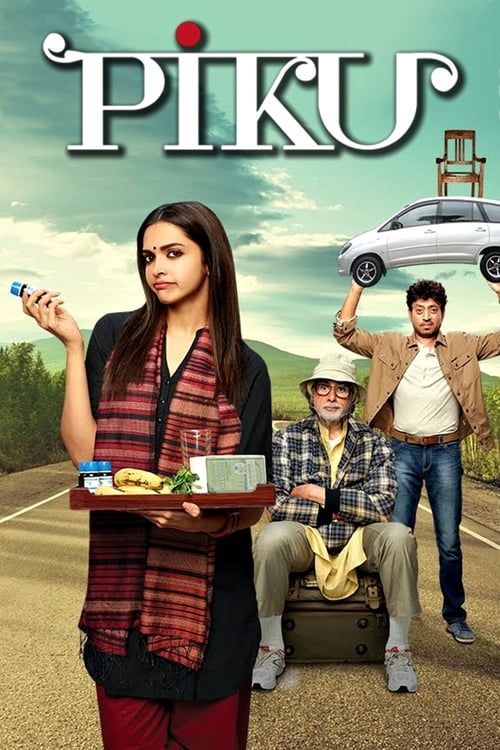
Piku stands out as a character study of urban realism, particularly in its subversion of the 'dutiful daughter' cliché. By highlighting a career-driven, competent female protagonist, it challenges traditional domestic roles and the heavy caregiving responsibilities. The film excels in its empathetic, non-judgmental portrayal of aging and everyday family dynamics. It avoids the trap of 'inspiration porn' by depicting physical ailments as taxing, lived experiences rather than mere plot devices. However, the film lacks broader representation, staying within a single ethnic framework and maintaining a conventional straight-centered structure, which limits LGBTQ+ and racial diversity.
Category Breakdown
The film does not include any non-straight or non-cisgender identities and does not challenge traditional relationship structures.
Piku challenges patriarchal hierarchies by being the main economic provider and emotional decision-maker. The film highlights the demanding nature of caregiving work and portrays her as a capable professional.
The story focuses on specific Bengali urban identities. While it does not show diverse ethnic mixing, it avoids homogenization by emphasizing unique regional and linguistic characteristics.
The narrative emphasizes secular, urban realism over religious moralizing. It presents family dysfunction as a lived reality rather than a matter of traditional virtue or vice.
Chronic health issues are shown through Bhaskaran's digestive problems without mockery. The film focuses on the systemic strain these conditions place on the family.
Present on Screen
Limited or Absent
Official Synopsis
A taxi driver is caught between a dysfunctional relationship between a woman and her father as he drives them to Kolkata.
2013

2015

2017
2017

2020

2019

2022

2017
No reviews yet. Be the first to share your thoughts on this movie!
Use the rating form above to leave a star rating and optional review.