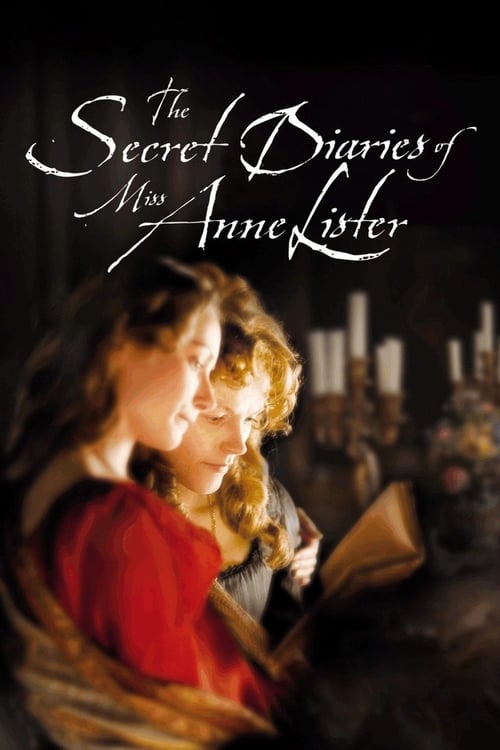
The Secret Diaries of Miss Anne Lister
2010
No user ratings available yet
Diversity score: 6.8 out of 10

2013
RDirector
Wash Westmoreland, Richard Glatzer
Runtime
92 minutes
Average Rating
No ratings yetSynopsis
Errol Flynn, the swashbuckling Hollywood star and notorious ladies man, flouted convention all his life, but never more brazenly than in his last years when, swimming in vodka and unwilling to face his mortality, he undertook a liaison with an aspiring actress, Beverly Aadland. The two had a high-flying affair that spanned the globe and was enabled by the girl's fame-obsessed mother, Florence. It all came crashing to an end in October 1959, when events forced the relationship into the open, sparking an avalanche of publicity castigating Beverly and her mother - which only fed Florence's need to stay in the spotlight.
Overall Score
Fair
Category Breakdown
LGBTQ+ Representation
The film centers on queer identity during a period of intense social repression. It disrupts mid-century heteronormative expectations by exploring non-cisnormative desires and emotional agency.
Gender Representation
The narrative operates within a male-centric celebrity framework. However, it challenges traditional masculinity by portraying men through their vulnerabilities, addictions, and social non-conformity.
Racial & Ethnic Diversity
The story is a homogeneous period drama set within white, high-society Hollywood circles. It lacks meaningful racial or ethnic diversity within its primary character arcs.
Religious & Cultural Diversity
The film prioritizes individual truth over rigid 1950s social or religious institutions. It uses moral relativism to frame personal struggles through the lens of subjective experience.
Disability Representation
The film studies the psychological toll of aging and addiction. These elements function as character traits rather than centered explorations of disability agency.
Strengths
Areas for Improvement
AI Analysis
The Last of Robin Hood is a nuanced character study that excels in its sophisticated exploration of queer history. By focusing on the private lives of public figures, the film successfully challenges the heteronormative status quo of the 1950s. However, the film is limited by its narrow socioeconomic and racial scope. The narrative remains tethered to a homogeneous, white, celebrity-class environment, offering little representation for diverse ethnic groups. Ultimately, the film's strength lies in its rejection of rigid moralism. It trades traditional archetypes for a more complex, albeit narrow, look at human connection and personal liberation.
2010
2006
2003

2012
2009
1968
1995
No reviews yet. Be the first to share your thoughts on this movie!
Use the rating form above to leave a star rating and optional review.