
The Diary 4
2000
No user ratings available yet
Diversity score: 4.5 out of 10

2012
Director
John McKay
Runtime
90 minutes
Average Rating
No ratings yetSynopsis
We’ll Take Manhattan explores the explosive love affair between sixties supermodel Jean Shrimpton and photographer David Bailey. Focusing on a wild and unpredictable 1962 Vogue photo shoot in New York, the drama brings to life the story of two young people falling in love, misbehaving and inadvertently defining the style of the Sixties along the way.
Overall Score
Limited
Category Breakdown
LGBTQ+ Representation
The story centers on a heteronormative romance between Jean Shrimpton and David Bailey. There is no explicit evidence of non-cisnormative identities or narratives that critique traditional romantic structures.
Gender Representation
Jean Shrimpton serves as a powerful protagonist with significant professional agency. The film avoids treating women as decorative, instead highlighting her influence on global style and career.
Racial & Ethnic Diversity
The narrative reflects the demographic homogeneity of the 1962 high-fashion scene. It lacks evidence of a diverse cast or the inclusion of marginalized voices within the industry.
Religious & Cultural Diversity
The film captures a specific Western cultural moment of mid-century glamour. It focuses on the high-capitalist world of Vogue rather than challenging Western social institutions.
Disability Representation
The film provides no mention of characters navigating physical or neurodivergent disabilities.
Strengths
Areas for Improvement
AI Analysis
We'll Take Manhattan is a period biographical drama that prioritizes the intimate, interpersonal dynamics of the 1960s fashion world. It succeeds in elevating a female figure to a position of historical importance, granting her professional weight and narrative drive. However, the film remains tethered to the social hierarchies of 1962. The representation is largely a celebration of period-specific glamour rather than a disruption of systemic social structures or a showcase of diverse identities. Ultimately, the film functions as a character study of two specific icons, which limits its scope for broader social or intersectional critique.
2000
1999
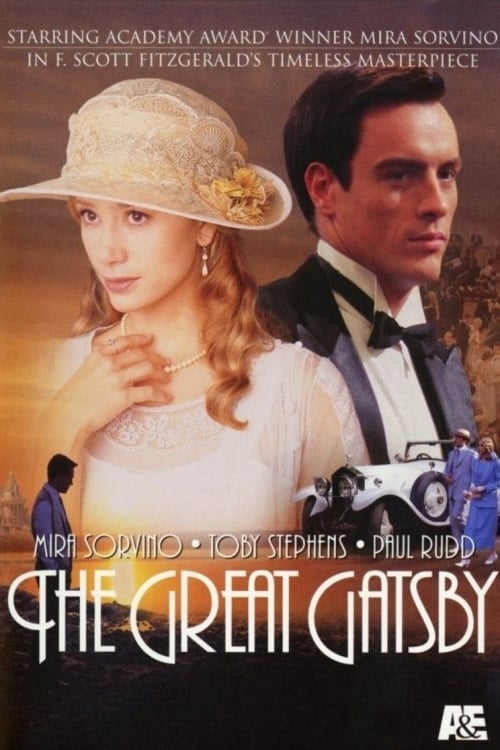
2000
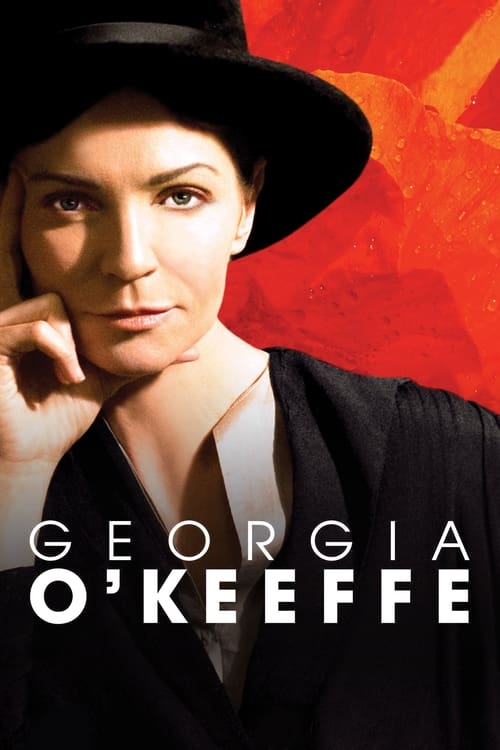
2009
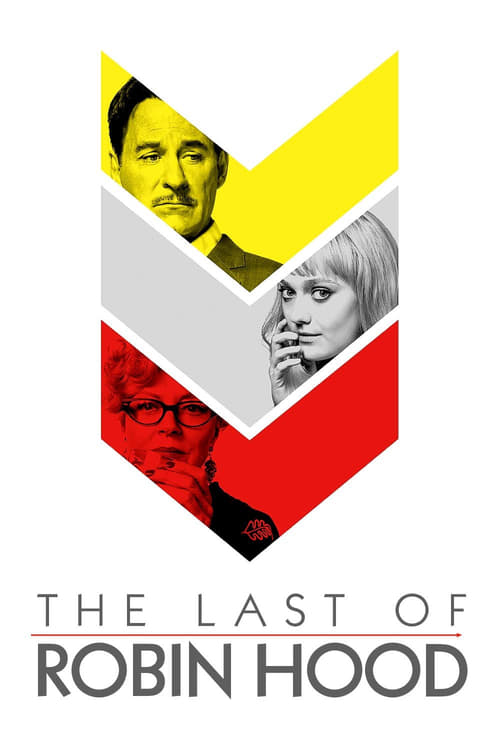
2013

2010
No reviews yet. Be the first to share your thoughts on this movie!
Use the rating form above to leave a star rating and optional review.