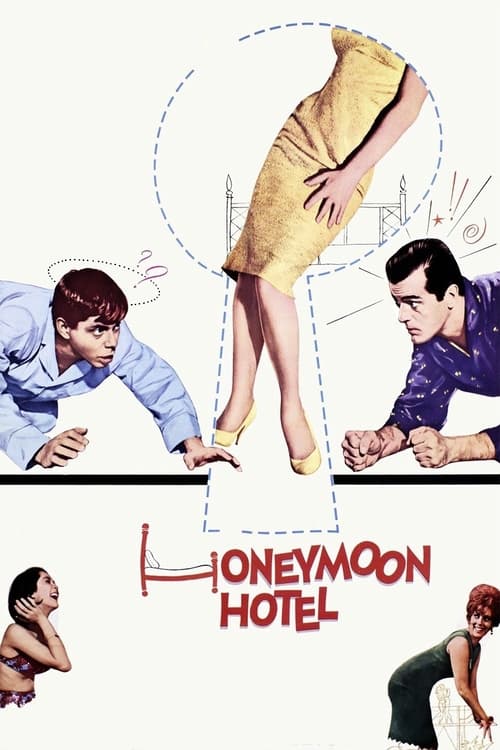
Honeymoon Hotel
1964
No user ratings available yet
Diversity score: 1.4 out of 10

1959
ApprovedDirector
Henry Levin
Runtime
103 minutes
Average Rating
No ratings yetSynopsis
Clifton Webb as a strict, conservative father heads the cast of this 1959 comedy, about an American family vacationing in South America. Directed by Henry Levin, the film also features Jane Wyman, Jill St. John, Carol Lynley, Paul Henreid, Gary Crosby, Henny Backus, Wally Brown, Gardner McKay and Jose Greco.
Overall Score
Limited
Category Breakdown
LGBTQ+ Representation
The film adheres to standard mid-century romantic comedy tropes. It focuses exclusively on heteronormative courtship with no presence of same-sex intimacy or non-cisnormative identities.
Gender Representation
Narrative structures center on patriarchal authority, exemplified by a strict, conservative father. While female leads drive romantic subplots, their agency remains tied to courtship and domestic stability.
Racial & Ethnic Diversity
Despite a South American setting, the cast is predominantly white. The story centers on a Western demographic in a foreign environment, lacking significant characters of color.
Religious & Cultural Diversity
The film reinforces traditional Western values and middle-to-upper-class social norms. It promotes the stability of the nuclear family without critiquing established socioeconomic orders.
Disability Representation
There are no prominent depictions of visible or invisible disabilities. The characters are presented as a demographic of able-bodied vacationers.
Strengths
Areas for Improvement
AI Analysis
Holiday for Lovers functions as a reinforcement of the 1950s social status quo. The film prioritizes traditional romantic structures and domestic stability over any form of social disruption. The narrative relies heavily on established hierarchies, particularly patriarchal authority and heteronormative courtship. This creates a predictable framework that avoids intersectional depth or progressive themes. By centering a Western family in a South American locale without diverse casting, the film maintains a Eurocentric perspective. It serves as a baseline for mid-century cinematic norms rather than a challenge to them.
1964
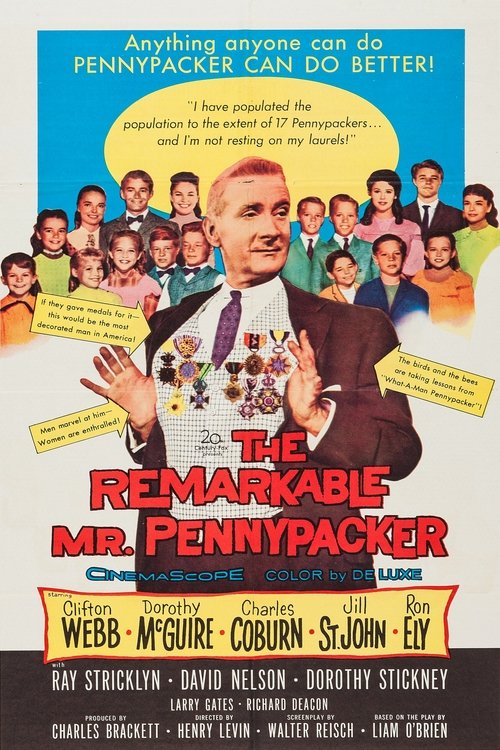
1959
1931
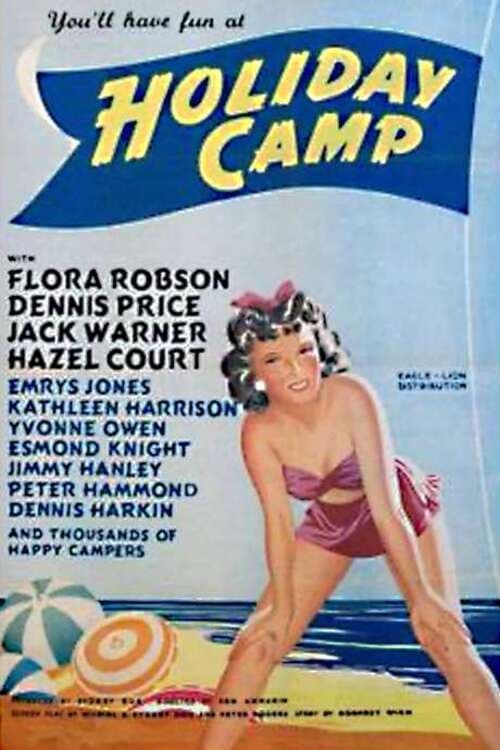
1947
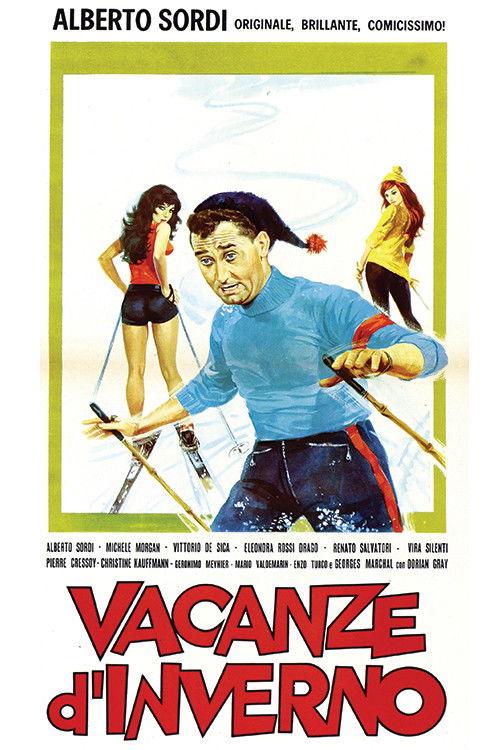
1959
1969

1983
1957
1949

1969

1957

1995
No reviews yet. Be the first to share your thoughts on this movie!
Use the rating form above to leave a star rating and optional review.