
12 Angry Men
1957
No user ratings available yet
Representation score: 1.8 out of 10

Representation Score
Limited
1997
PG-13Director
William Friedkin
Runtime
117 minutes
Average Rating
No ratings yetNew Showbiz Analysis
The film focuses on psychological and systemic conflicts using a limited setting. It explores how personal prejudices can affect justice. Though the film lacks gender and LGBTQ+ representation, it effectively addresses racial and class-based tensions. The diverse jury composition challenges the dominant majority's perspective. Overall, the film serves as a critique of systemic biases in traditional institutions, making it a significant study of social and judicial dynamics.
Category Breakdown
The film does not include any LGBTQ+ identities or non-traditional gender expressions. It is set in a historically masculine context.
The cast is entirely male and there are no female perspectives. The film reinforces patriarchal structures without including women's viewpoints.
The film features a multi-ethnic cast reflecting an urban demographic. It uses these diverse identities to critique systemic bias and racial prejudice during the trial.
The story examines how social prejudices can corrupt judicial institutions. It highlights the tension between individual morality and systemic biases in Western legal systems.
There are no prominent depictions of disabilities, either visible or invisible. Neurodivergence or chronic illness is not a central theme.
Present on Screen
Limited or Absent
Official Synopsis
During the trial of a man accused of his father's murder, a lone juror takes a stand against the guilty verdict handed down by the others as a result of their preconceptions and prejudices.
1957
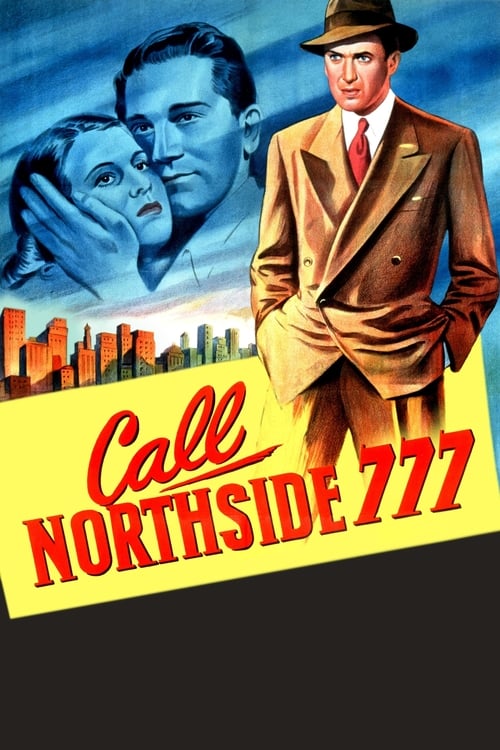
1948
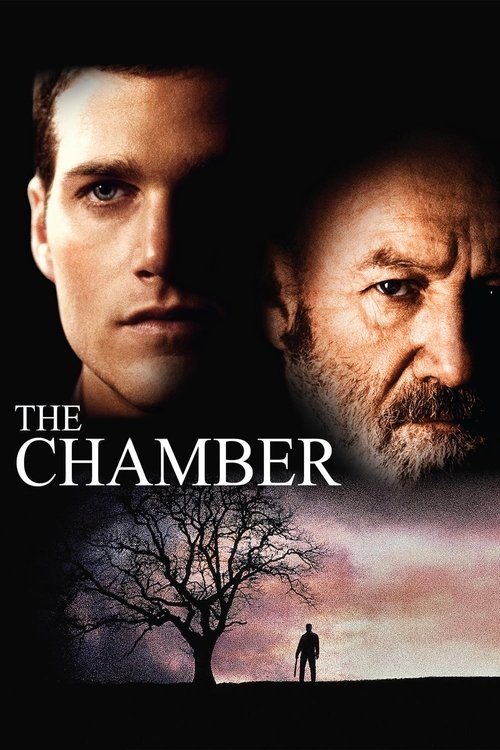
1996

1989

2019
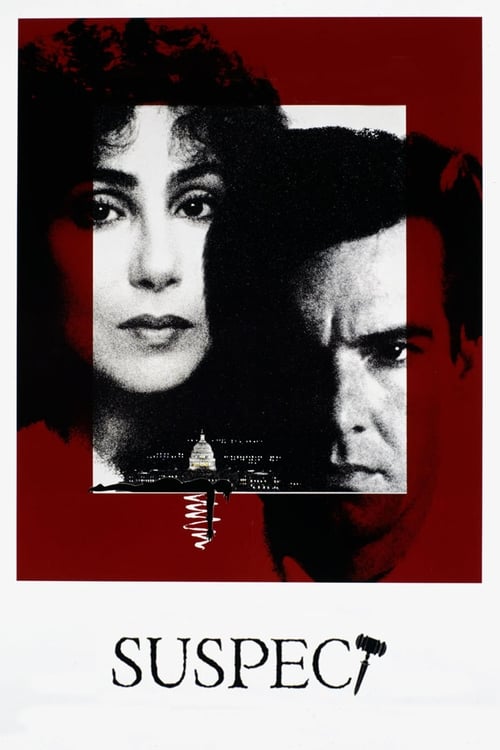
1987
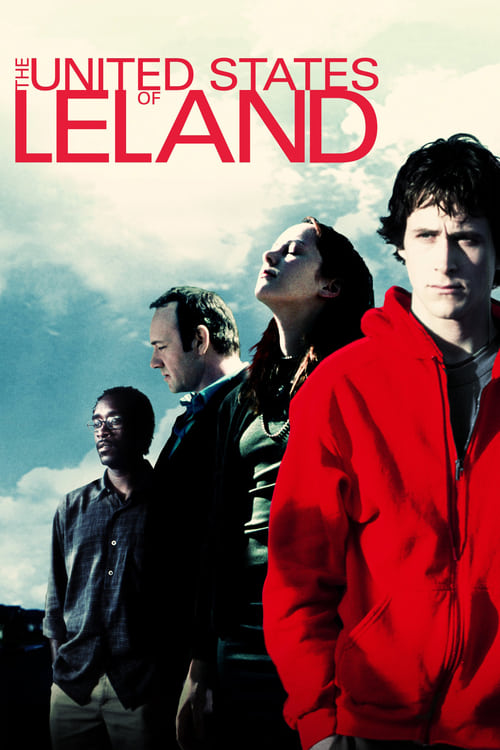
2003

1967
No reviews yet. Be the first to share your thoughts on this movie!
Use the rating form above to leave a star rating and optional review.