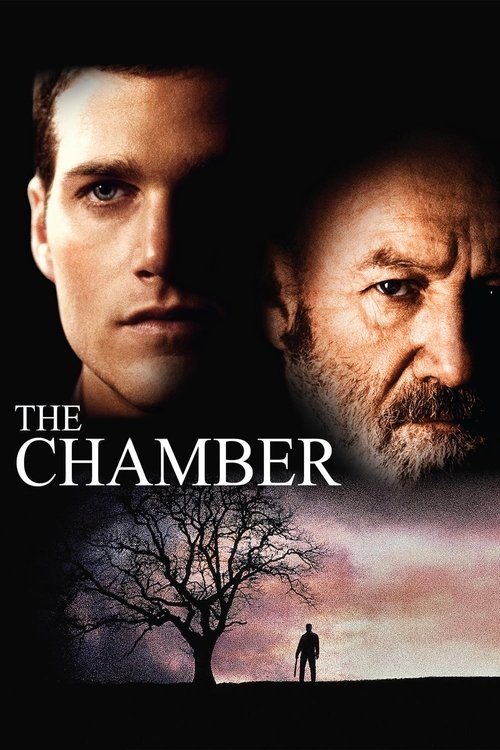
The Chamber
1996
No user ratings available yet
Representation score: 3.7 out of 10
Representation Score
Limited
1996
RDirector
Joel Schumacher
Runtime
149 minutes
Average Rating
No ratings yetNew Showbiz Analysis
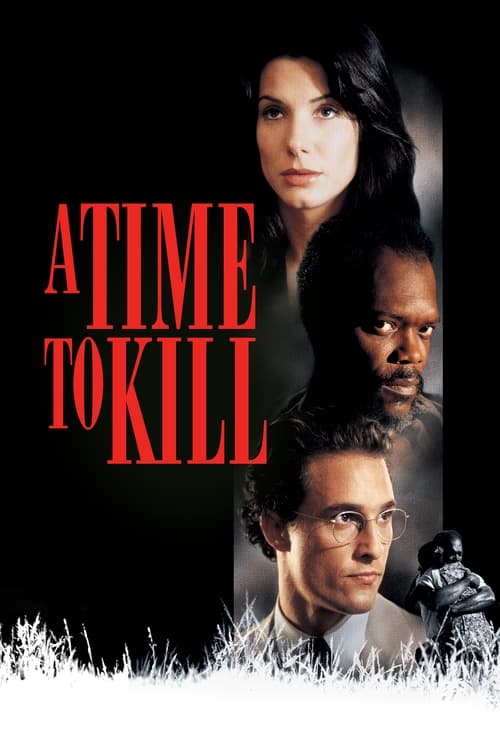
A Time to Kill is a powerful critique of systemic social structures. It excels in highlighting racial and cultural hierarchies, challenging traditional institutional narratives through its focus on systemic injustices. The film's strength lies in its portrayal of the moral complexities of resisting oppressive systems. It provides a nuanced view of how identity influences legal outcomes. However, the film lacks representation in the LGBTQ+ and disability sectors and adheres to traditional masculine archetypes.
Category Breakdown
The film does not include any LGBTQ+ characters, focusing instead on racial and gender dynamics.
Male characters hold the primary roles in the story. The narrative emphasizes the male perspective on trauma and retaliation, rather than challenging traditional gender roles.
The story centers on the legal defense of a Black man against white supremacist ideologies. It highlights structural inequalities and systemic injustices through racialized legal frameworks.
The film critiques Western legal institutions as flawed and inequitable. It examines the tension between institutional laws and ethical considerations in the context of systemic corruption.
The film does not prominently depict characters with visible or invisible disabilities. There are no central roles for characters with disabilities.
Present on Screen
Limited or Absent
Official Synopsis
A young lawyer defends a black man accused of murdering two white men who raped his 10-year-old daughter, sparking a rebirth of the KKK.
1996

1996
1996

1989

1988
1997

1999
1959
No reviews yet. Be the first to share your thoughts on this movie!
Use the rating form above to leave a star rating and optional review.