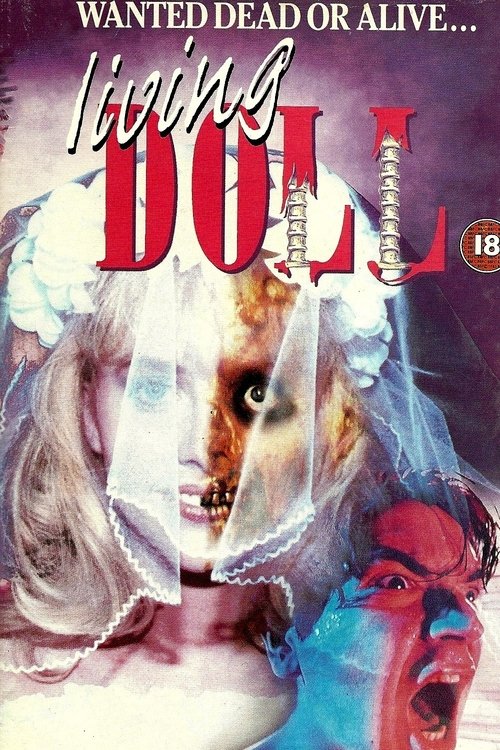
Living Doll
1990
No user ratings available yet
Representation score: 1.6 out of 10
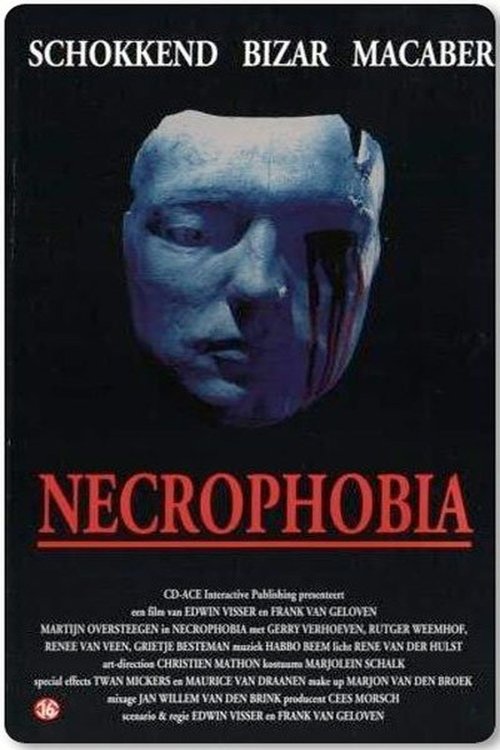
Representation Score
Limited
1995
Director
Frank van Geloven, Edwin Visser
Runtime
60 minutes
Average Rating
No ratings yetNew Showbiz Analysis
Necrophobia is a psychological horror film that emphasizes transgressive themes and individual psychological issues over diverse representation. It centers on the psychological breakdown of a grieving man and the fragmentation of a woman under male control. The film does not prioritize demographic diversity, using traditional romantic structures and a Western-centric setting. While it challenges some conventions, it does so through lenses of victimization and horror-driven clichés. Overall, the film serves as an exploration of instability and institutional failure rather than a platform for social or identity-based representation.
Category Breakdown
The film focuses on a heterosexual relationship and includes a scene involving a man and a woman. There are no LGBTQ+ characters or critiques of straight relationships.
The movie uses traditional gender roles but later shows Colette losing her autonomy due to a male authority figure. This portrayal emphasizes victimization rather than empowerment.
The setting and character names suggest a Western-focused narrative. There is no indication of a diverse cast, sticking to a homogeneous demographic typical of mid-90s European genre films.
The film criticizes institutional authority through the perspective of a disturbed psychiatrist. It challenges traditional coping methods by focusing on a nihilistic and morally ambiguous framework.
Characters deal with significant mental health issues, but these conditions are primarily used to drive the horror plot. Mental illness is portrayed mainly as a tool for shock rather than a complex identity.
Present on Screen
Limited or Absent
Official Synopsis
A young & happily married couple, Mark and Rebecca, are living in a remote countryside farm. When Rebecca dies in a disastrous road accident, Mark loses all his will to live and spends the next following days chain-smoking and visiting his late wife's grave at the cemetery. There, a ravishing woman approaches him and even invites him to a romantic dinner at her place. Unfortunately for Mark, the woman – Colette – has serious mental issues and she's completely subjected to the will of her deranged psychiatrist. Dr. Bernhardt's "therapy" causes Colette to dig up fresh cadavers; only to mutilate them and even have carnal intercourse with them!
1990
1974
2013

1999
1979
1962

1968
1994
No reviews yet. Be the first to share your thoughts on this movie!
Use the rating form above to leave a star rating and optional review.