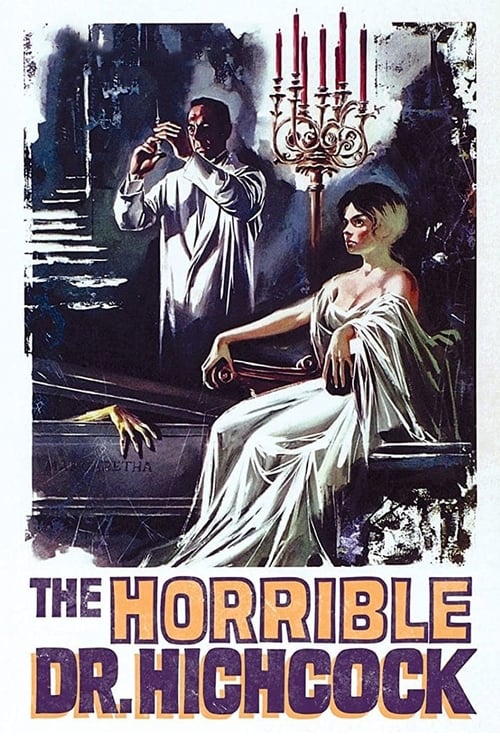
The Horrible Dr. Hichcock
1962
No user ratings available yet
Representation score: 1.7 out of 10

Representation Score
Fair
1968
ApprovedDirector
Glauco del Mar
Runtime
72 minutes
Average Rating
No ratings yetNew Showbiz Analysis
Love After Death is a genre-driven horror film that explores themes of betrayal and bodily autonomy. It succeeds in subverting certain domestic clichés by casting the female lead as a calculating conspirator rather than a victim. However, the film lacks depth in its portrayal of diverse identities. The protagonist's reclamation of ability to act through a violent rampage leans into traditional masculine dominance, and the medical condition driving the plot serves more as a mechanical plot device than a meaningful representation of disability. Ultimately, the film challenges the stability of social and professional institutions but fails to provide a broader framework of systemic or diverse representation.
Category Breakdown
The story focuses on a heterosexual betrayal involving a wife and her lover. There is no explicit evidence of queer identity or non-conforming gender roles within the narrative.
Sofia acts as a proactive antagonist, breaking the cliché of the passive female victim. However, Montel’s violent rampage aligns with aggressive, traditional masculine stereotypes of dominance.
The available information provides no mention of racial or ethnic casting. Consequently, no assessment of racial or ethnic diversity can be made.
The film critiques the sanctity of marriage and medical ethics by portraying these institutions as corrupt. It favors primal ability to act over traditional social decorum.
A cataleptic fit serves as the central plot catalyst. While a medical condition is central, it functions primarily as a suspense device rather than a nuanced exploration of disability.
Present on Screen
Limited or Absent
Official Synopsis
During a cataleptic fit, Montel is buried alive, a burial plotted by his greedy wife Sofia with several men, including her lover, Montel's doctor. Exiting his grave, Montel goes on a sexual rampage.
1962
1960
1978
1964
1965
1964
1979
1962
No reviews yet. Be the first to share your thoughts on this movie!
Use the rating form above to leave a star rating and optional review.