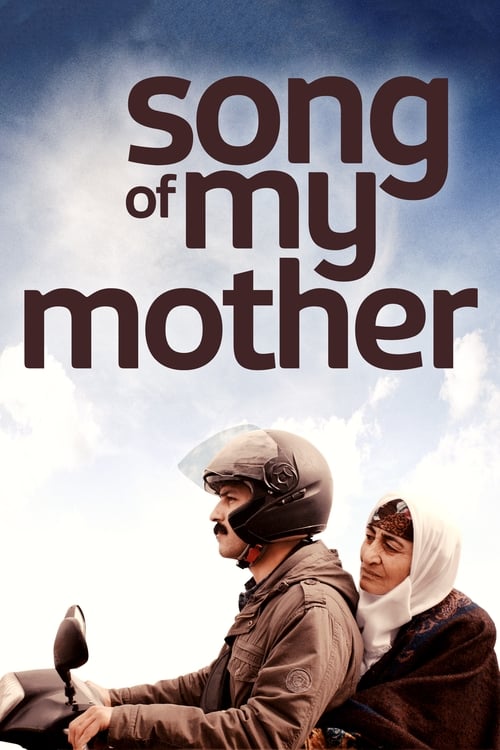
Song of My Mother
2014
No user ratings available yet
Representation score: 5.8 out of 10
Representation Score
Fair
2010
UnratedDirector
Feo Aladag
Runtime
119 minutes
Average Rating
No ratings yetNew Showbiz Analysis
Feo Aladag’s drama is a sophisticated exploration of the overlapping aspects of identity, particularly the Turkish-German experience. It succeeds by centering a underrepresented protagonist who actively challenges established social and familial norms. The film's primary strength lies in its refusal to present a binary conflict, instead offering a nuanced look at how tradition and state institutions intersect. It moves beyond including someone from a minority group without giving them real depth to provide a deep critique of cultural hegemony. However, the narrative's narrow focus on traditional family structures results in a lack of LGBTQ+ representation. While it excels in ethnic and gendered complexity, it does not explore queer-coded subtext.
Category Breakdown
The film does not feature prominent LGBTQ+ characters or non-cisgender identities. It focuses on generational and cultural tensions within a traditional family, leaving little room for queer narratives.
Umay serves as a strong protagonist who drives the plot through her pursuit of independence. The film critiques patriarchal hierarchies by highlighting the tension between her control and restrictive male authority.
The film excels by centering a Turkish-German cast and exploring the complexities of minority communities. It avoids a homogenized white norm to examine the intricacies of ethnicity and Western citizenship.
The story explores the friction between secular German structures and the Aksoy family's religious traditions. It examines the human cost of assimilation and the pressures faced by migrant families.
There are no prominent depictions of physical or neurodivergent disabilities that serve as central narrative drivers in this work.
Present on Screen
Limited or Absent
Official Synopsis
Umay is a young woman of Turkish descent, fighting for an independent and self-determined life in Germany against the resistance of her family. Her struggle initiates a dynamic, which results in a life-threatening situation.
2014
2011
2015
2010

2014
1998
2020
2009
No reviews yet. Be the first to share your thoughts on this movie!
Use the rating form above to leave a star rating and optional review.