
The New Kids
1985
No user ratings available yet
Representation score: 1.3 out of 10
Representation Score
Minimal
1986
RDirector
S. William Hinzman
Runtime
92 minutes
Average Rating
No ratings yetNew Showbiz Analysis
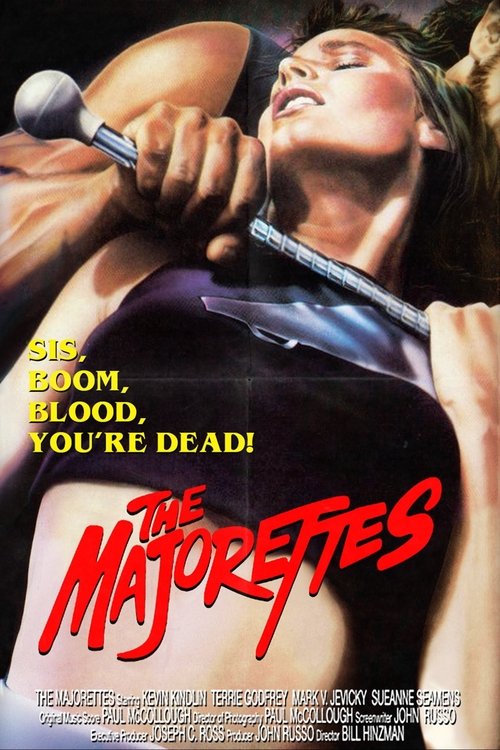
The Majorettes is a conventional 1980s slasher film that focuses on genre clichés rather than social complexity. It operates within a standard moral framework, emphasizing crime and punishment through established horror archetypes. The film fails to challenge traditional social hierarchies or utilize perspectives that reflect multiple aspects of identity. Its narrative structure revolves around a hooded killer targeting high school girls, reinforcing the era's typical gender and racial homogeneity. Ultimately, the production lacks inclusive representation, sticking to the predictable casting and thematic patterns of mid-1980s cult horror.
Category Breakdown
The film does not include any LGBTQ+ characters or non-straight relationships. It follows a traditional, straight-focused storyline typical of mid-1980s slasher films.
Female characters are mainly portrayed as victims or targets of violence. The film relies on conventional gender stereotypes rather than giving women a strong role in driving the story.
There is no indication of a diverse cast. The film appears to follow the homogeneous casting practices common in 1980s horror films.
The story uses standard 1980s American cultural archetypes, such as high school social structures and biker gangs. It relies on traditional religious fears related to Satanism.
There is no evidence of characters with physical or neurodivergent disabilities. The narrative does not address disability representation.
Present on Screen
Limited or Absent
Official Synopsis
A hooded psycho is murdering high-school girls. A devil-worshiping, drug-dealing biker gang is suspected.
1985
1976
1976
1980
1983
2008
1994
2018
No reviews yet. Be the first to share your thoughts on this movie!
Use the rating form above to leave a star rating and optional review.