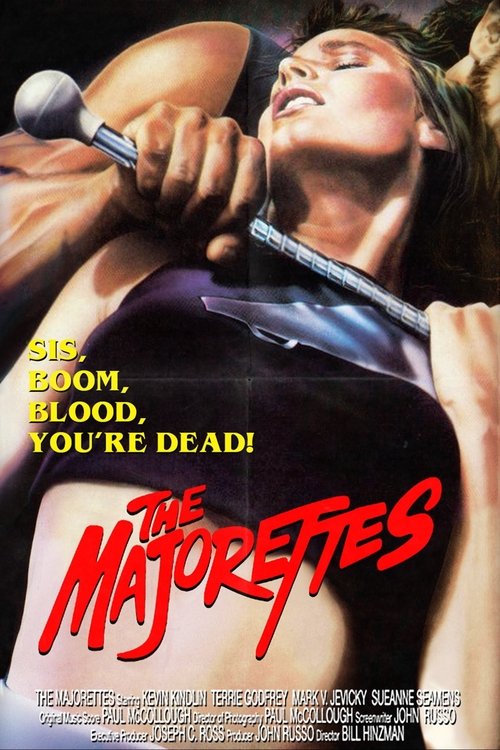
The Majorettes
1986
No user ratings available yet
Representation score: 1.1 out of 10

Representation Score
Minimal
1985
RDirector
Sean S. Cunningham
Runtime
90 minutes
Average Rating
No ratings yetNew Showbiz Analysis
The New Kids is a conventional slasher that prioritizes genre mechanics over social complexity. It reinforces the demographic and social hierarchies common to 1980s horror cinema. The film lacks diverse representations, offering almost no portrayal of people with different backgrounds or identities. The narrative structure maintains traditional gender and racial dynamics. Ultimately, the movie serves as a standard genre exercise, focusing on the established mechanics of suspense and terror without challenging social norms.
Category Breakdown
The film follows strict conventions typical of 1980s horror and does not include any non-cisgender identities or same-sex intimacy.
The female protagonist plays a key role in driving the story, but the film relies on traditional gender stereotypes. Female characters are often subjected to the slasher gaze without challenging gender roles.
The cast is predominantly white, reflecting the demographics of mid-80s genre cinema. The story lacks meaningful representation of non-white identities or racial complexity.
The narrative focuses on standard teenage rebellion and anti-social behavior within a traditional moral framework, without critiquing Western institutions or progressive values.
There is no representation of visible or invisible disabilities. Characters are defined solely by their physical capabilities needed for the survivalist plot.
Present on Screen
Limited or Absent
Official Synopsis
A brother and his young sister come to a small town to find out a local gang terrorizes the population.
1986
1972

2019
1986
1982

1983
2018
1980
No reviews yet. Be the first to share your thoughts on this movie!
Use the rating form above to leave a star rating and optional review.