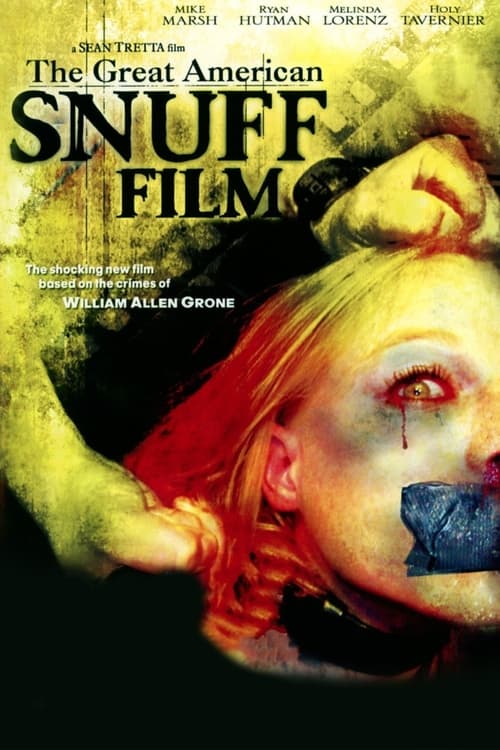
The Great American Snuff Film
2004
No user ratings available yet
Representation score: 0.9 out of 10
Representation Score
Fair
1994
NRDirector
Jim Van Bebber
Runtime
19 minutes
Average Rating
No ratings yetNew Showbiz Analysis
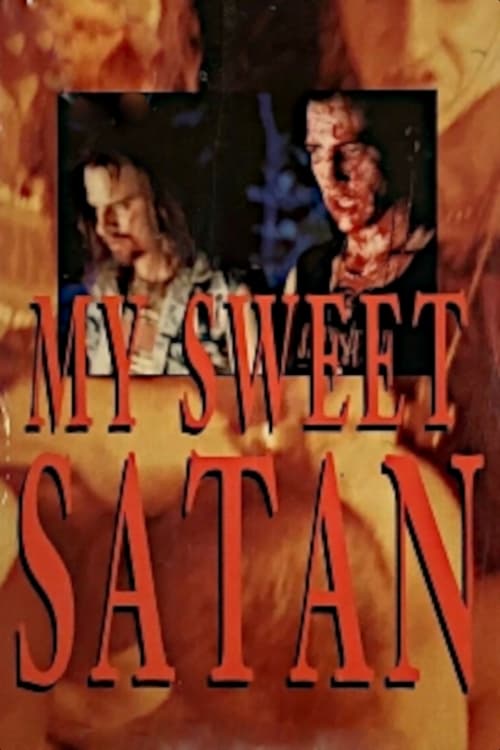
My Sweet Satan is a gritty, low-budget exploration of social alienation and psychological fragmentation. It successfully subverts traditional horror clichés by focusing on a female protagonist's internal struggles rather than typical masculine-led narratives. However, the film lacks diverse representation. The cast is predominantly from a similar demographic, reflecting its rural setting, and there is no clear focus on LGBTQ+ identities or experiences.
Category Breakdown
The film does not include explicit stories focused on non-straight or non-cisgender identities. There is no clear focus on LGBTQ+ characters or their experiences.
The story challenges traditional gender roles by focusing on a female protagonist's psychological journey. Her story avoids the damsel-in-distress stereotype, providing a deeper look at her trauma.
The cast appears fairly uniform, reflecting the rural, low-income setting. There are no significant efforts to diversify the cast's demographics.
Satanic themes are used as metaphors for psychological distress rather than promoting religion. The film critiques traditional social structures through its depiction of aimless, anti-social youth.
The film portrays neurodivergence and mental health issues negatively. While central to the plot, the depiction sometimes relies on the unreliable narrator cliché.
Present on Screen
Limited or Absent
Official Synopsis
A group of directionless, bored, drug-using teenagers get involved in a cult, resulting in a murder.
2004
2001
2009

1992
2003
2009
1992

1985
No reviews yet. Be the first to share your thoughts on this movie!
Use the rating form above to leave a star rating and optional review.