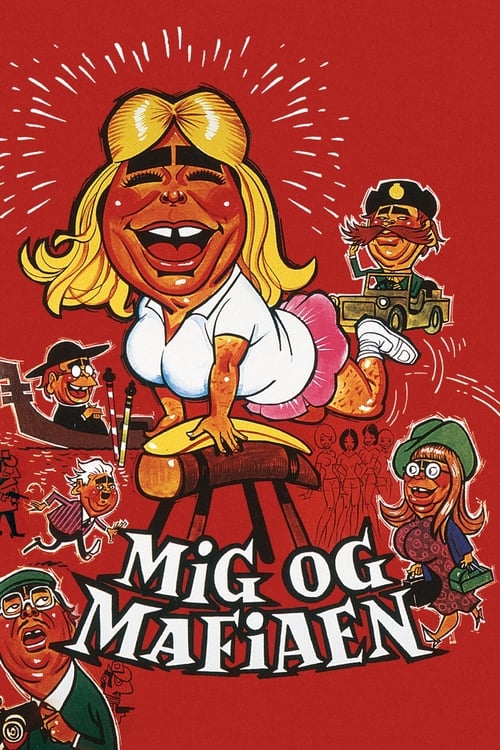
Me and the Mafia
1973
No user ratings available yet
Representation score: 3.2 out of 10
Representation Score
Limited
1974
Director
Henning Ørnbak
Runtime
91 minutes
Average Rating
No ratings yetNew Showbiz Analysis
Me, Too, in the Mafia is a conventional 1970s crime comedy that relies heavily on established genre clichés. The narrative is driven by male-centric conflicts and traditional power dynamics, offering little in the way of social subversion. While the film introduces international elements through an oil sheikh, these characters often serve as targets for the protagonist's schemes. This approach leans into clichés regarding foreign wealth rather than providing deep cultural exploration. Ultimately, the film adheres to the social norms of its era. It prioritizes comedic tension and standard moral resolutions over progressive representation or the disruption of traditional hierarchies.
Category Breakdown
The film follows traditional structures that assume everyone is straight or cisgender. The plot centers on a transactional marriage proposal, reinforcing conventional romantic hierarchies without exploring diverse gender identities.
Gender roles remain traditional and centered on patriarchal authority. Female characters like Elvira serve primarily as plot devices or rewards for the male protagonist rather than as independent agents.
The inclusion of an oil sheikh provides ethnic variety beyond a purely Danish setting. However, the character risks being used as a comedic foil for the protagonist's swindle.
The narrative operates within standard Western social structures and crime clichés. It focuses on a comedic caper rather than offering a systemic critique of culture or institutions.
Amnesia and a stay in a madhouse function strictly as comedic plot devices. These elements lack any nuanced or significant portrayal of mental health conditions.
Present on Screen
Limited or Absent
Official Synopsis
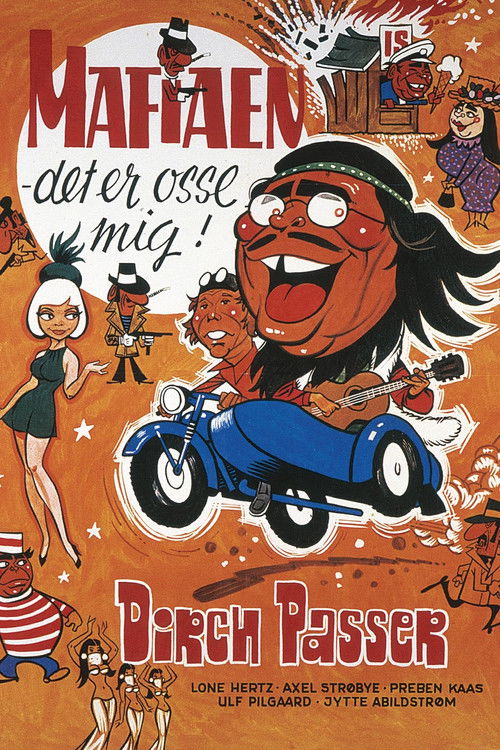
Petty crook “Viffer” Hansen pulls off a daring $10 million swindle selling Copenhagen’s Rundetårn to an oil sheikh, then substitutes the loot with expertly forged bills thanks to his counterfeit friend Valde. Hounded by both the mob’s Don Luigi, who promised Viffer the hand of his shrill-voiced daughter Elvira as reward, and the betrayed sheikh’s thuggish enforcer Olfert, Viffer adopts a new disguise, suffers amnesia in a madhouse, and narrowly escapes to face the final showdown when Luigi and Elvira arrive in Denmark to collect on his broken promise.
1973
1976
1997

1964
1959
1972
1959
1972
No reviews yet. Be the first to share your thoughts on this movie!
Use the rating form above to leave a star rating and optional review.