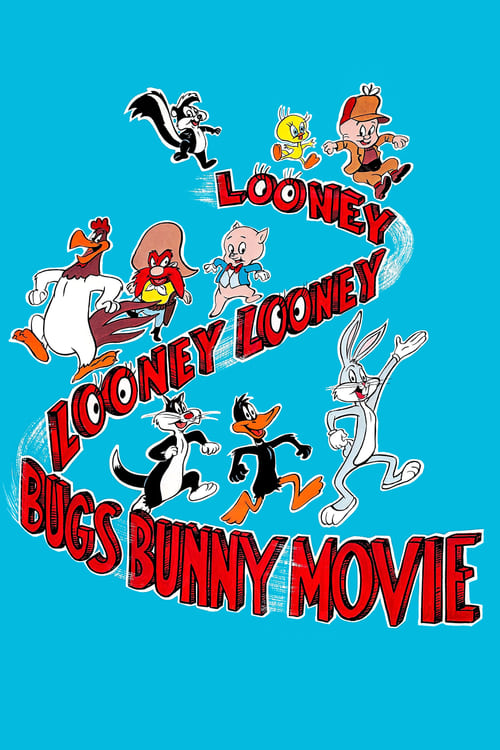
The Looney, Looney, Looney Bugs Bunny Movie
1981
No user ratings available yet
Representation score: 3.0 out of 10

Representation Score
Limited
1979
GDirector
Chuck Jones, Phil Monroe
Runtime
98 minutes
Average Rating
No ratings yetNew Showbiz Analysis
The film serves as a retrospective of mid-century animation archetypes rather than a modern narrative. Its primary strength lies in characters using intellect to outmaneuver rigid systems and authority figures. However, the work is limited by its era, showing a lack of intentional multi-layered depth or diverse casting. The reliance on anthropomorphic animals provides a layer of abstraction that avoids direct racial coding but also prevents meaningful identity representation. Ultimately, the film celebrates individual non-conformity and wit, though it does not engage with contemporary identity politics or complex character's ability to drive the story.
Category Breakdown
The film does not explicitly depict LGBTQ+ identities or non-cisgender gender expressions. Character dynamics focus on traditional slapstick humor and kinetic conflict between anthropomorphic animals.
Female characters are largely absent or play minor roles. However, characters like Bugs Bunny use wit to undermine the physical dominance of pursuers, challenging traditional gender hierarchies.
The use of anthropomorphic animals avoids direct racial coding through abstraction. Nevertheless, the film reflects a homogeneous character landscape typical of its era's animation practices.
The narrative prioritizes a trickster ethos where success relies on deception and subverting authority. This presents a playful deconstruction of institutional stability through the lens of slapstick comedy.
Disability is not a central theme or part of character's ability to drive the story. Physical mutilation inherent to slapstick serves as a transient comedic device rather than an exploration of lived experience.
Present on Screen
Limited or Absent
Official Synopsis
A collection of Warner Brothers short cartoon features, "starring" the likes of Daffy Duck, Porky Pig and Wile E. Coyote. These animations are interspersed by Bugs Bunny reminiscing on past events and providing links between the individual animations which are otherwise unconnected. This 1979 feature-length compilation includes several of his best cartoons. Among the 11 shorts shown in their entirety are the classics "Robin Hood Daffy," "What's Opera, Doc?," "Bully for Bugs," and "Duck Amuck". The Bugs Bunny Road Runner Movie provides a showcase not only for Jones's razor-sharp timing, but for the work of his exceptional crew, which included designer Maurice Noble, writer Mike Maltese, composers Carl Stalling and Milt Franklyn, and voice actor Mel Blanc.
1981
1988

1950

2004
1953
1982
1957
2004
No reviews yet. Be the first to share your thoughts on this movie!
Use the rating form above to leave a star rating and optional review.