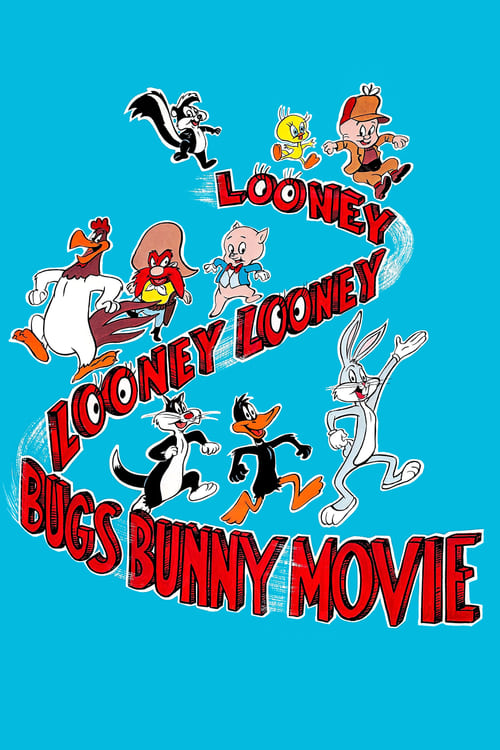
The Looney, Looney, Looney Bugs Bunny Movie
1981
No user ratings available yet
Representation score: 3.0 out of 10
Representation Score
Minimal
1982
GDirector
Chuck Jones, Friz Freleng, Robert McKimson
Runtime
74 minutes
Average Rating
No ratings yetNew Showbiz Analysis
This compilation of classic shorts prioritizes established slapstick humor over progressive narrative development. The creative leadership consists of foundational Looney Tunes architects whose work focuses on character-driven comedy rather than sociopolitical commentary. The film's structure relies on mid-20th-century comedic sensibilities. These often utilize traditional hierarchies and simplified cultural caricatures rather than diverse representation. Ultimately, the work functions as a historical piece of animation. It remains centered on individualistic competition and traditional comedic conflict without attempting to disrupt social norms.
Category Breakdown
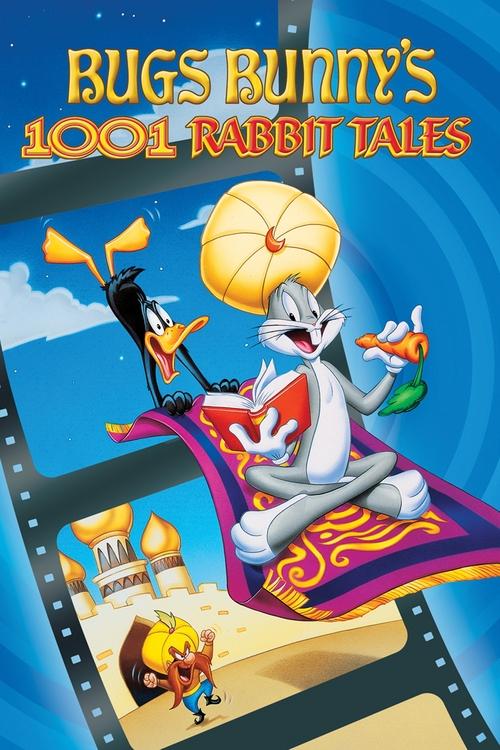
The film focuses on a rivalry between Bugs Bunny and Daffy Duck. There are no visible non-binary identities or narratives that question the assumption that everyone is straight.
The story centers on a male-dominated competition between two salesmen. Yosemite Sam holds a position of authority, but women do not have roles of intellectual or physical superiority.
Yosemite Sam is depicted as a harem-leading figure. This characterization relies on outdated and stereotypical portrayals of non-Western social structures and power dynamics.
The plot reinforces traditional capitalist motivations through a book sales competition. The portrayal of Sam's leadership aligns with older, caricatured depictions of exoticism.
The narrative contains no mention of characters with visible or invisible disabilities. There is no evidence regarding neurodivergence or physical disability.
Present on Screen
Limited or Absent
Official Synopsis
If Bugs Bunny were to direct his signature inquiry--"What's up, doc?"--toward the modern-day Warner Bros. creative team, he wouldn't be far off. For 1001 Rabbit Tales, they've doctored up a batch of classic cartoons featuring the carrot muncher and his bumbling comrades and bundled them, near seamlessly, into a feature-length film. Here's the premise: Bugs and Daffy, both book salesmen, are competing to sell the most copies of a kids' book. Instead of burrowing a beeline to his sales territory (he should have made a left at Albuquerque), Bugs ends up in the castle of Yosemite Sam, here a harem-leading honcho. Sam's pain-in-the-spurs son, Prince Abalaba, needs somebody to read him stories; Bugs, who'd sooner take the job than suffer the alternative, that involving being boiled in oil, signs on.
1981
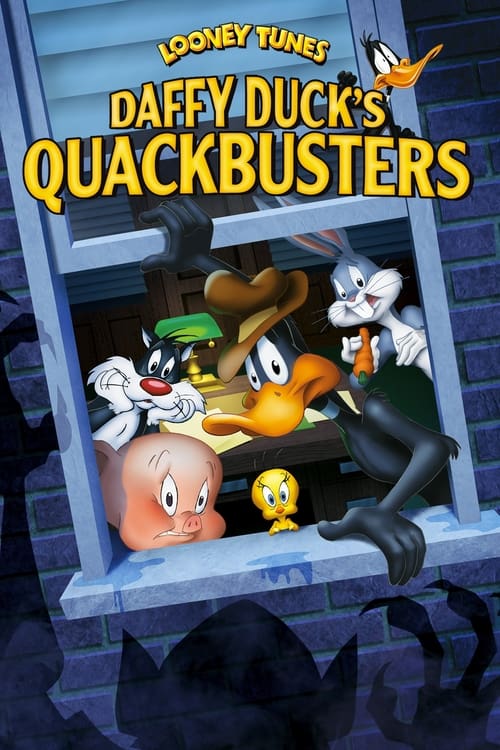
1988
1957

1979
1983
2003

1950
2021
No reviews yet. Be the first to share your thoughts on this movie!
Use the rating form above to leave a star rating and optional review.