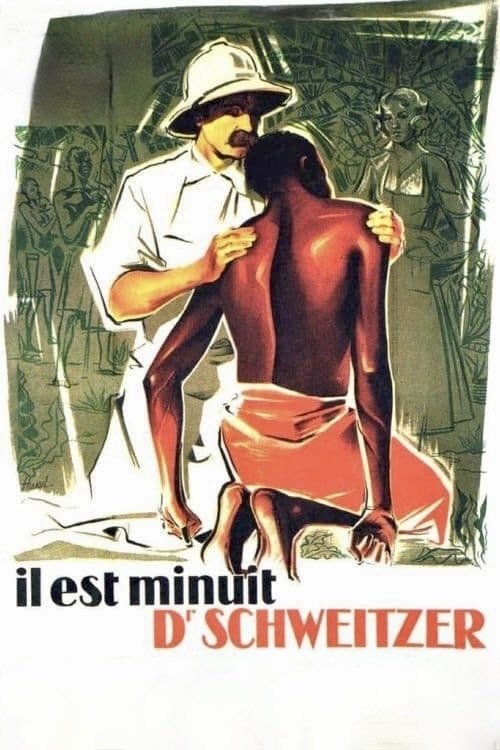
Dr. Schweitzer
1952
No user ratings available yet
Representation score: 2.2 out of 10
Representation Score
Minimal
1940
Director
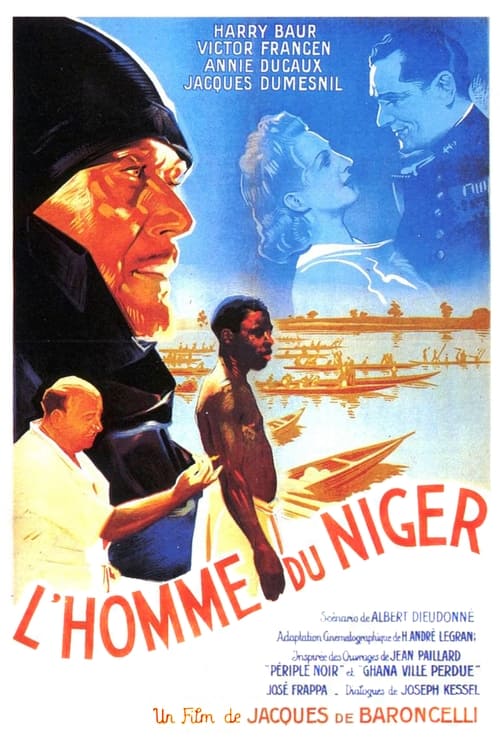
Jacques de Baroncelli
Runtime
102 minutes
Average Rating
No ratings yetNew Showbiz Analysis
L'Homme du Niger is a product of its 1940s colonial context, emphasizing the 'civilizing mission' of French authority. The plot structure relies on a binary between Western medical intervention and indigenous belief systems. The film lacks substantial roles for non-Western characters, instead using them to highlight the perceived superiority of Western science. This reinforces historical power imbalances and traditional hierarchies. Ultimately, the work functions as a period piece that prioritizes Western institutional knowledge over the complexity of the local cultures it depicts.
Category Breakdown
The film does not include any characters with LGBTQ+ identities. The storyline revolves around the conflict between medical science and local mysticism.
The story centers on a military doctor, reinforcing traditional gender hierarchies and conventional roles of the time.
While the film features indigenous characters, it uses them primarily as a contrast to Western progress, creating a binary between modernity and local superstition.
The narrative emphasizes a Western-centric worldview, presenting the struggle as one between Western scientific rationalism and indigenous cultural traditions.
Leprosy serves as a central plot device. In this era, such conditions often functioned as narrative devices for heroism rather than nuanced portrayals of disability.
Present on Screen
Limited or Absent
Official Synopsis
During a French construction project in the Sudan, a military doctor fights against leprosy and the natives seek protection against witch doctors.
1952

1954
1940

2010
1933

2016
1952
1934
No reviews yet. Be the first to share your thoughts on this movie!
Use the rating form above to leave a star rating and optional review.