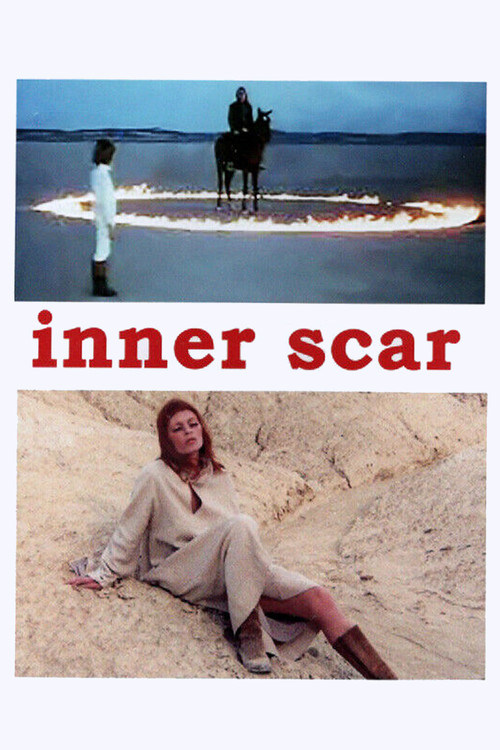
The Inner Scar
1972
No user ratings available yet
Representation score: 6.7 out of 10
Representation Score
Good
1968
Director
Steven Arnold
Runtime
24 minutes
Average Rating
No ratings yetNew Showbiz Analysis
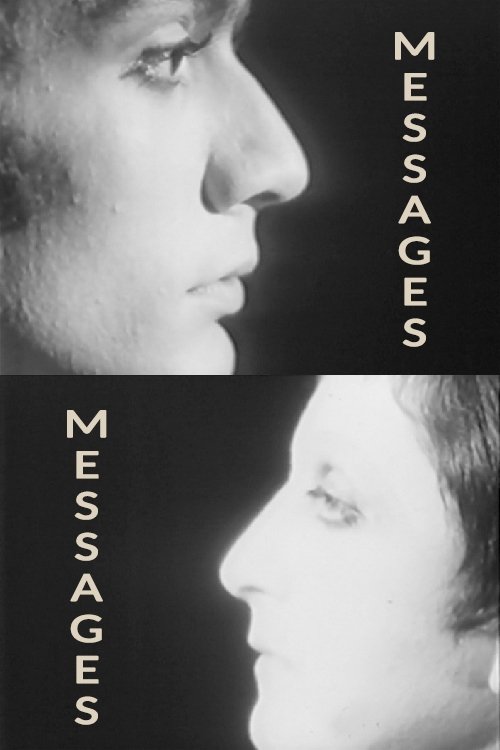
Messages, Messages is a surrealist exploration of the unconscious that prioritizes psychological truth over traditional social structures. Its strength lies in its intellectual subversion and its rejection of rigid, straight-centered narrative logic influenced by Dalí and Buñuel. However, the film lacks documented evidence of broad demographic inclusion. The focus on internal landscapes means that racial and ethnic diversity is not a visible component of the narrative structure. Ultimately, the film critiques hyper-rationalist structures, offering a fluid space for identity that challenges established social hierarchies.
Category Breakdown
The film uses surreal dream logic to possibly explore non-traditional desires. While specific identities are not clearly defined, the focus on the unconscious allows for a flexible exploration of identity.
By emphasizing the psyche over social roles, the film challenges traditional gender roles. This narrative structure disrupts typical patriarchal hierarchies in favor of symbolic representations of the self.
The film focuses on internal psychological landscapes rather than social tapestries. There is insufficient evidence to confirm significant racial diversity or characters of color driving the narrative.
The work embraces psychological abstraction to reject rationalist Western thought. It favors subjective, unconscious experiences over institutional reason. This approach subverts cultural norms and offers a critique of conventional thinking.
The fragmented psyche can serve as a metaphor for neurodivergence or altered consciousness. The film's emphasis on non-linear perception respects non-standard cognitive processes.
Present on Screen
Limited or Absent
Official Synopsis
A journey of the psyche into the world of the unconscious. Made when Wiese and Arnold were students at the San Francisco Art Institute, the surrealistic film is influenced by Dalí, Buñuel and the German expressionists. The film was premiered at the St. Regis Hotel in New York by Salvador Dalí and invited to Director's Fortnight at Cannes.
1972
1932
1929
1974
1954
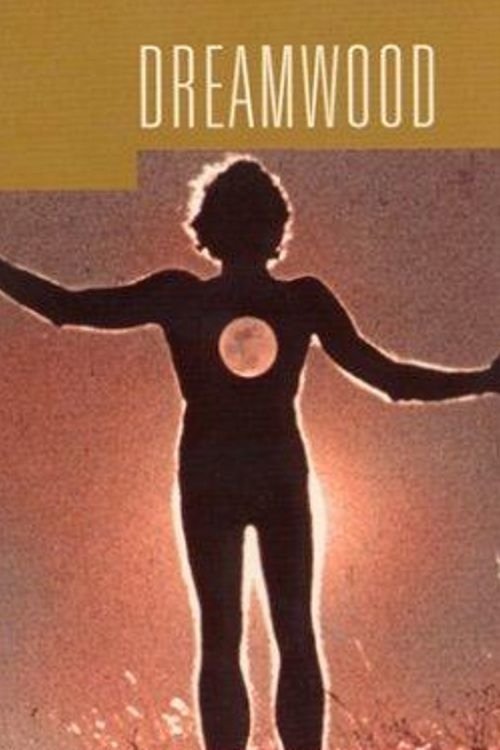
1972
1957

2019
No reviews yet. Be the first to share your thoughts on this movie!
Use the rating form above to leave a star rating and optional review.