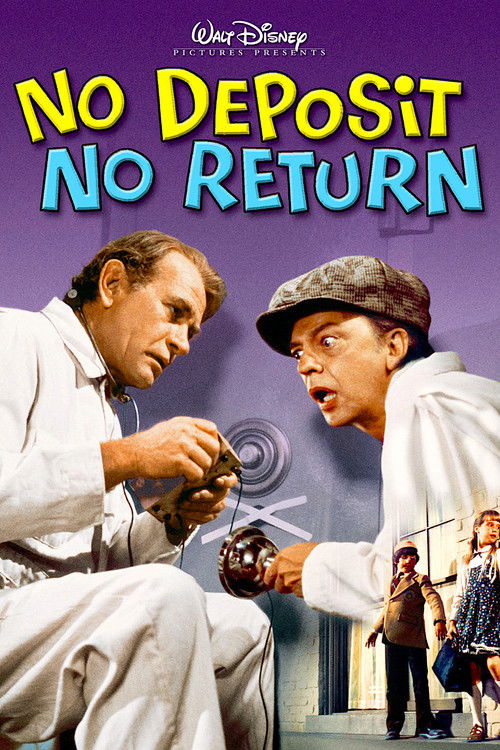
No Deposit, No Return
1976
No user ratings available yet
Diversity score: 2.5 out of 10

1970
Director
Norman Tokar
Runtime
99 minutes
Average Rating
No ratings yetSynopsis
Young and awkward, The Coast-Guard's ensign Thomas Garland suffers from the comparison with his late father, a war hero. Which does not prevent him from falling for pretty Kate Fairchild, a young woman who runs a sailing school. Of course the way he expresses his deep sympathy for the lady leaves to be desired. And the situation does not improve when a trio of bumbling jewel thieves interferes.
Overall Score
Minimal
Category Breakdown
LGBTQ+ Representation
The film lacks any discernible presence of LGBTQ+ characters or non-cisnormative identities. The romantic subplot adheres strictly to heteronormative conventions without subtextual critique.
Gender Representation
Kate Fairchild possesses professional agency as a sailing instructor, yet she primarily serves as a romantic catalyst. The film relies on traditional gender hierarchies and comedic tropes.
Racial & Ethnic Diversity
The ensemble is a homogeneous, predominantly white, mid-century American demographic. There is no evidence of color-blind casting or intentional racial intersectionality within the coastal community.
Religious & Cultural Diversity
The narrative reinforces traditional Western values and middle-class stability. It functions as an escapist comedy that avoids critiques of capitalism, religion, or Western institutions.
Disability Representation
There is no visible or invisible representation of disability within the cast. The story does not engage with neurodivergence or physical disability.
Strengths
Areas for Improvement
AI Analysis
The Boatniks is a quintessential product of its era, prioritizing escapist, family-oriented storytelling that reinforces mid-century social norms. The narrative architecture is built upon established cultural hierarchies rather than seeking to disrupt them. Representation is largely absent, with the film focusing on a homogeneous demographic and traditional romantic structures. It lacks intentionality regarding intersectional identities, presenting an idealized and narrow social fabric. Ultimately, the film serves as a standard comedy that avoids systemic critique, opting instead for slapstick mischief and the reinforcement of conventional social roles.
1976

1960

1967

1962
1982

2007

1960
1959

1996
1955
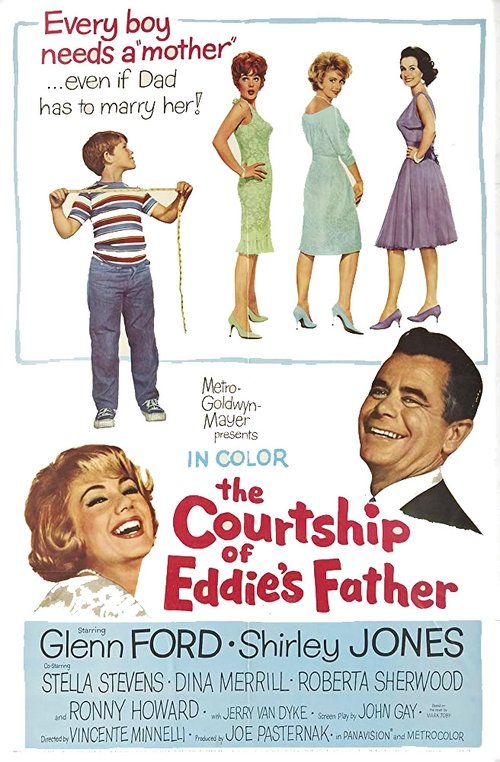
1963
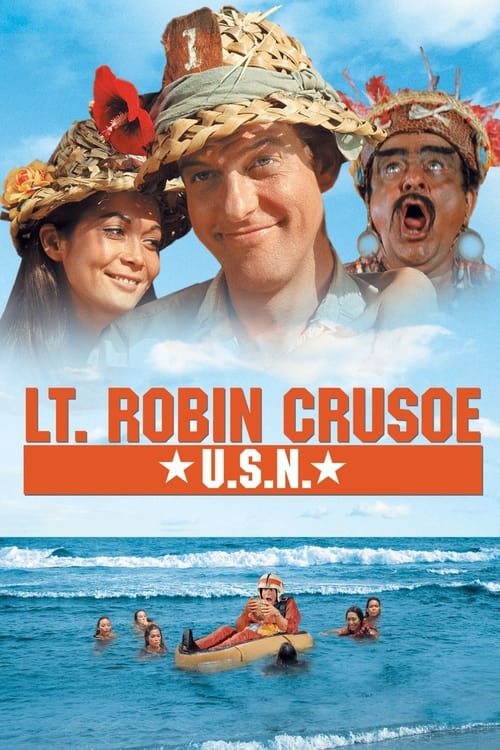
1966
No reviews yet. Be the first to share your thoughts on this movie!
Use the rating form above to leave a star rating and optional review.